Big Bend National Park: Where Desert, Mountain, and River Converge
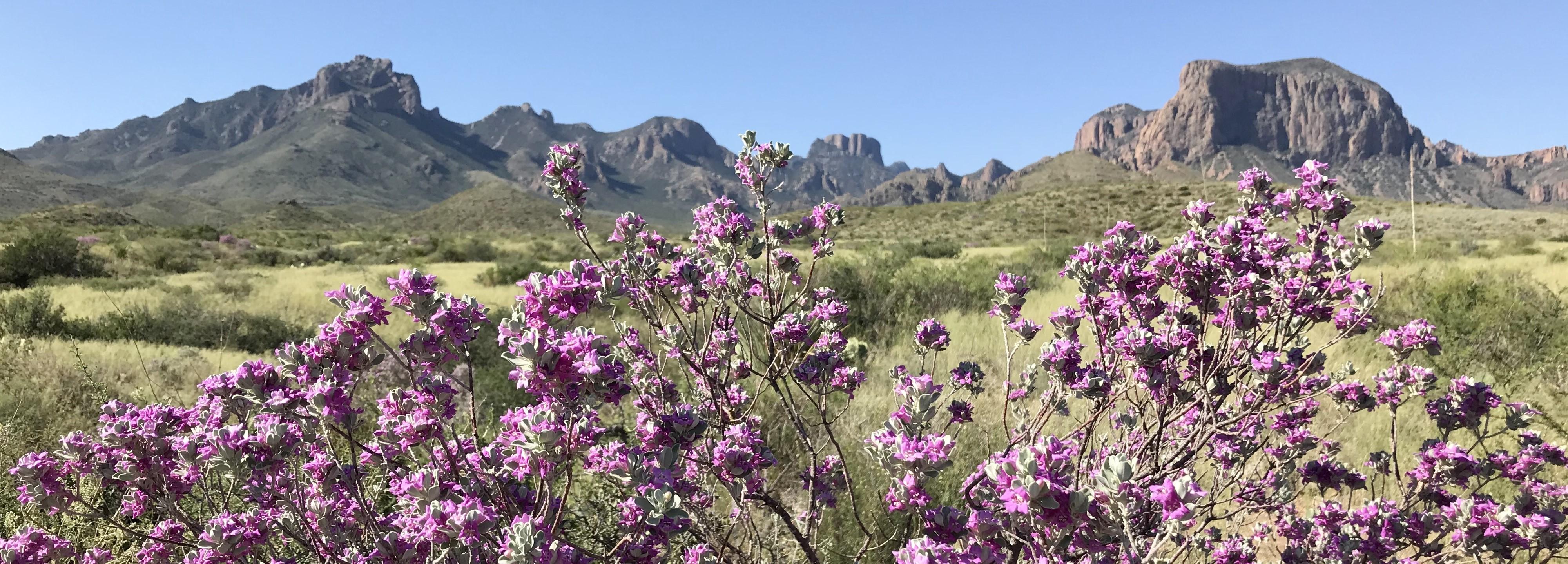
Tucked into a remote corner of southwest Texas, Big Bend National Park encompasses over 801,000 acres where the Rio Grande carves a dramatic horseshoe bend along the Mexican border. This vast wilderness preserves three distinct ecosystems—the Chihuahuan Desert, the Chisos Mountains, and the Rio Grande riparian corridor—creating one of the most biodiverse parks in the United States.
The park's isolation, over 300 miles from El Paso and 125 miles from the nearest significant town, has preserved its wild character and created some of the darkest night skies in the lower 48 states. This remoteness demands careful planning but rewards visitors with unparalleled solitude, pristine landscapes, and authentic wilderness experiences.
Essential satellite communicator for Big Bend's remote backcountry where cell service is non-existent.
We may earn a commission from purchases made through links on this page. See our disclosure.
Planning Your Visit
Getting There
Big Bend's remoteness requires substantial travel time from any major city. Most visitors arrive by car, though commercial flights to Midland (196 miles) or El Paso (288 miles) can reduce driving time. The park maintains two main entrances:
- North Entrance (Persimmon Gap): Via US 385 from Marathon
- West Entrance (Maverick Junction): Via TX 118 from Alpine/Study Butte
Private aircraft can utilize the park's 5,500-foot paved airstrip with prior arrangements.
When to Visit
The park experiences extreme temperature variations based on season and elevation:
Peak Season (November-April): Ideal weather with warm days and cool nights. Expect crowds during spring break (March) and holidays. Campground reservations essential.
Summer (May-October): Extreme heat in lower elevations (100°F+ common). Focus activities in the cooler Chisos Mountains (10-20°F cooler than desert floor). Monsoon season (June-October) brings afternoon thunderstorms and flash flood risks.
Winter (December-February): Mild days perfect for hiking, though nights drop near freezing. Chisos Basin road may temporarily close due to ice.
Park Fees and Passes
Big Bend operates on a cashless system—only credit/debit cards accepted:
- Vehicle Pass: $30 (7 days)
- Motorcycle: $25 (7 days)
- Individual (bike/foot): $15 (7 days)
- Annual Big Bend Pass: $55
- America the Beautiful Annual Pass: $80
Digital passes available through Recreation.gov. If entering when stations are unstaffed, pay at first available visitor center.
Visitor Centers and Services
| Visitor Center | Location | Operating Hours | Seasonal Notes | |---|---|---|---| | Panther Junction | Park Headquarters | 8:30 AM - 5:00 PM daily | Open year-round; best first stop | | Chisos Basin | Chisos Mountains | 8:30 AM - 4:00 PM daily | Closing 2025 for construction | | Rio Grande Village | East side | 9:00 AM - 4:30 PM | Nov-April only | | Castolon | West side | 10:00 AM - 4:00 PM | Nov-April only | | Persimmon Gap | North entrance | 10:00 AM - 4:00 PM | Nov-April only |
Waterproof, tear-resistant topographic map essential for Big Bend's vast backcountry.
We may earn a commission from purchases made through links on this page. See our disclosure.
Safety Essentials
Desert Survival Basics
Big Bend's extreme environment demands respect and preparation:
Water Requirements:
- Minimum 1 gallon per person per day
- 2 liters minimum for short hikes
- Never rely on natural water sources
- All backcountry water requires treatment
Heat Management:
- Avoid lower elevation hikes during summer midday
- Recognize heat exhaustion symptoms: headache, nausea, dizziness
- Heat stroke (confusion, no sweating) requires immediate evacuation
Communication:
- Cell service virtually non-existent parkwide
- Carry physical maps and compass
- GPS devices useful but not primary navigation
- Share detailed itinerary before departing
Wildlife Safety
Large Mammals:
- Black bears inhabit Chisos Mountains—store all food in bear boxes
- Mountain lions present but rarely seen
- If encountered: appear large, make noise, back away slowly
- Never run from predators
Venomous Species:
- Rattlesnakes common in warmer months
- Scorpions, spiders, centipedes require vigilance
- Check shoes and bedding
- Carry flashlight at night
- High-top boots provide protection
Vehicle Preparedness
- Only two gas stations in park: Panther Junction and Rio Grande Village
- Maintain fuel above half-tank
- Backcountry roads require high-clearance/4WD vehicles
- Carry spare tire, jack, extra water for unpaved roads
Major Attractions by Region
Chisos Mountains: The Sky Island
Rising to 7,832 feet, the Chisos Mountains create a biological island supporting pine-oak forests in the desert. This cooler refuge hosts species found nowhere else in the United States.
Essential Hikes:
Lost Mine Trail (4.8 miles, moderate): The park's best introduction hike climbs through forest to spectacular ridge views of Casa Grande peak and Juniper Canyon.
The Window Trail (5.4 miles, moderate): Descends Oak Creek Canyon to a dramatic pour-off framing desert vistas. Return hike entirely uphill—start early.
Emory Peak (9.3 miles, strenuous): Summit Big Bend's highest point via a challenging climb with final rock scramble. Rewards with 360-degree views into Mexico.
South Rim Loop (12-14.5 miles, strenuous): Texas's premier backpacking route traverses the Chisos rim for arguably the state's finest vistas. Access via steep Pinnacles Trail or gradual Laguna Meadow Trail.
⚠️ CRITICAL 2025 UPDATE: The entire Chisos Basin—including lodge, campground, visitor center, and all trail access—closes May 2025 for two-year infrastructure renovation. Plan accordingly.
Essential for Big Bend's rocky terrain and steep mountain trails. Reduces knee impact on descents.
We may earn a commission from purchases made through links on this page. See our disclosure.
Chihuahuan Desert: The Vast Expanse
The park's dominant ecosystem showcases dramatic geology, sparse vegetation, and profound silence across gravel plains and volcanic formations.
Ross Maxwell Scenic Drive (30 miles): This essential park experience winds past:
- Sam Nail Ranch: Historic homestead with windmill oasis
- Sotol Vista: Panoramic desert overlook perfect for sunsets
- Burro Mesa Pour-off: Box canyon hike to dry waterfall
- Mule Ears Peaks: Distinctive volcanic formations
- Santa Elena Canyon: Magnificent 1,500-foot limestone cliffs
Desert Trails:
- Balanced Rock (1.9 miles, moderate): Boulder scramble to photogenic perched rock
- Chimneys Trail (4.6 miles, moderate): Desert crossing to volcanic formations with petroglyphs
- Tuff Canyon (1.0 mile, easy): Explore canyon carved from volcanic ash
Rio Grande Corridor: The Living River
The Rio Grande sustains a lush riparian ecosystem while carving spectacular canyons through ancient limestone.
Canyon Experiences:
- Santa Elena Canyon Trail (1.6 miles, easy): Iconic walk into towering canyon walls
- Boquillas Canyon Trail (1.4 miles, moderate): Remote canyon with sandy riverside walking
- Hot Springs (0.75 miles, easy): Historic resort ruins with 105°F natural hot tub
River Adventures: Paddling options range from day floats to multi-day expeditions:
- Santa Elena Canyon: Popular day trip
- Mariscal Canyon: Remote 10-mile wilderness float
- Boquillas Canyon: 33-mile novice-friendly journey
- Lower Canyons: 5-10 day expedition downstream
Note: River levels vary dramatically. Check conditions with outfitters before planning any river trip. Permits required for all floats.
International Experience: Boquillas del Carmen
Cross the Rio Grande to visit this authentic Mexican village—one of Big Bend's unique offerings.
Requirements:
- Valid U.S. Passport (book or card)
- Port open seasonally (check current schedule)
- $5 boat crossing + $7 Mexican park fee
- Transportation options: walk (1 mile), burro ($10), horse ($15), truck ($5)
Village offers family restaurants and local crafts. Return via automated customs kiosk.
Dark Sky Paradise
Big Bend anchors the world's largest International Dark Sky Reserve. On moonless nights, the Milky Way blazes overhead while thousands of stars emerge in the pristine darkness.
Best Stargazing:
- Any location away from developed areas
- Allow 20 minutes for night vision adaptation
- Use red-light flashlights only
- Peak Milky Way visibility: March-October
- Ranger programs offer telescope viewing
Perfect for Big Bend's dark skies. See the Milky Way's structure and spot wildlife by day.
We may earn a commission from purchases made through links on this page. See our disclosure.
Where to Stay
In-Park Lodging
Chisos Mountains Lodge: Park's only hotel offers rooms and cottages at 5,400 feet elevation. Books months ahead for peak season. Closing 2025-2027 for renovations.
Campgrounds
All sites require reservations via Recreation.gov:
| Campground | Sites | RV Limit | Key Features | Notes | |---|---|---|---|---| | Chisos Basin | 60 | 24ft RV/20ft trailer | Mountain setting, cooler temps | No showers; closing 2025 | | Rio Grande Village | 93 | Large RVs OK | River access, showers nearby | Birding hotspot | | Cottonwood | 22 | All sizes | Quiet, shaded | No showers/dump station |
Rio Grande Village RV Park: 25 full-hookup sites managed by concessioner.
Gateway Communities
Terlingua/Study Butte (5 miles): Primary services with diverse lodging from budget motels to unique vacation rentals. Multiple restaurants and outfitters.
Marathon (70 miles): Historic Gage Hotel offers upscale accommodations and dining. Quieter alternative to Terlingua.
Unique Features and Activities
Geological Wonders
Big Bend preserves 130 million years of Earth's history, including:
- Ancient sea floor lifted to form canyon walls
- Volcanic eruptions creating the Chisos Mountains
- The K-Pg boundary marking dinosaur extinction
- Fossils including 50-foot crocodiles and pterosaurs with airplane-sized wingspans
Biodiversity Hotspot
The convergence of desert, mountain, and river creates exceptional diversity:
- 1,200+ plant species (60+ cacti species)
- 450+ bird species including the Colima Warbler (found only here in the U.S.)
- 75 mammal species from black bears to rare Mexican long-nosed bats
- Endemic Big Bend Gambusia fish found in a single spring
Seasonal Strategies
Spring (March-April): Perfect weather but expect maximum crowds during spring break. Book everything far in advance.
Summer (May-September): Focus on Chisos Mountains hiking, early morning desert activities, and river trips. Prepare for 100°F+ temperatures and afternoon thunderstorms.
Fall (October-November): Excellent weather returns with moderate crowds. Ideal for all park activities.
Winter (December-February): Cool but pleasant days, cold nights. Perfect for desert hiking. Some mountain roads may ice over temporarily.
Essential Gear Checklist
Desert Basics:
- Sun protection: hat, sunglasses, long sleeves, high-SPF sunscreen
- Minimum 1 gallon water per person per day
- Electrolyte supplements
- First aid kit with blister treatment
- Emergency shelter/space blanket
Navigation:
- Physical topographic maps
- Compass
- GPS device (backup only)
- Headlamp with red-light option
- Backup batteries
Seasonal Additions:
- Summer: cooling towels, extra water
- Winter: warm layers, gloves, beanie
- Monsoon season: rain gear, dry bags
Ultralight backcountry water treatment essential for Big Bend's unreliable water sources.
We may earn a commission from purchases made through links on this page. See our disclosure.
Photography Hotspots
Sunrise:
- Sotol Vista for desert panoramas
- Lost Mine Trail saddle for mountain light
Sunset:
- The Window View for framed desert vista
- Santa Elena Canyon for glowing canyon walls
Night Sky:
- Fossil Bone Exhibit for Milky Way over desert
- Chisos Basin for mountains silhouetted against stars
Planning Resources
Current Conditions:
- River levels: Check NPS website before planning floats
- Road conditions: Call ahead for backcountry road status
- Weather: Expect 30°F+ daily temperature swings
Permits Required:
- All backcountry camping
- All river trips (including day floats)
- Commercial photography
- Research collecting
Emergency Contacts:
- Park Emergency: 432-477-1188
- Big Bend Dispatch: 432-477-1184
Big Bend National Park offers an authentic wilderness experience increasingly rare in the modern world. Its vast landscapes, extreme conditions, and remote location create both challenges and rewards for prepared visitors. Whether seeking solitude in the desert, adventure on the river, or refuge in the mountains, Big Bend delivers experiences as big as Texas itself.
Real satellite imagery on NASA elevation — orbit the peaks at true scale.
Explore in 3D →What the park will quietly do to you.
Heat & Sun
SummerSummer highs can hit 100°F+ in many western parks. Carry 2 L of water per person minimum and avoid strenuous activity 10am–4pm.
Wildlife
Year-roundKeep 100 yards from bears and wolves, 25 from everything else. Never feed wildlife — it changes their behavior and ends with the animal euthanized.
Weather windows
SummerHigh-country thunderstorms build fast in summer afternoons. Plan to be off exposed ridges by noon, especially July–September.
Permits & timed entry
Plan aheadSeveral parks require timed-entry reservations or wilderness permits. Reserve weeks ahead via recreation.gov — same-day windows are limited.
Hero photo: NPS