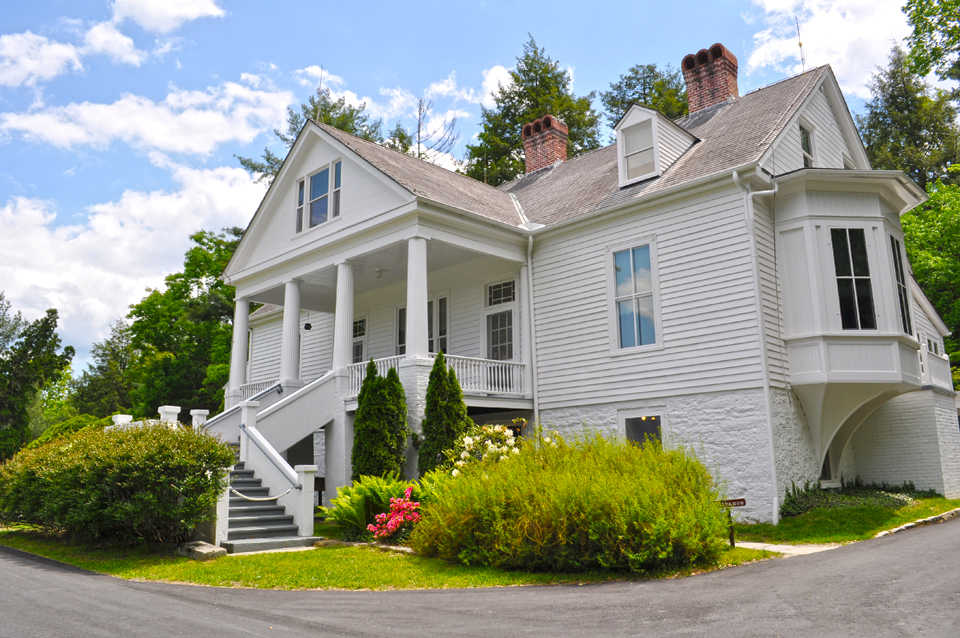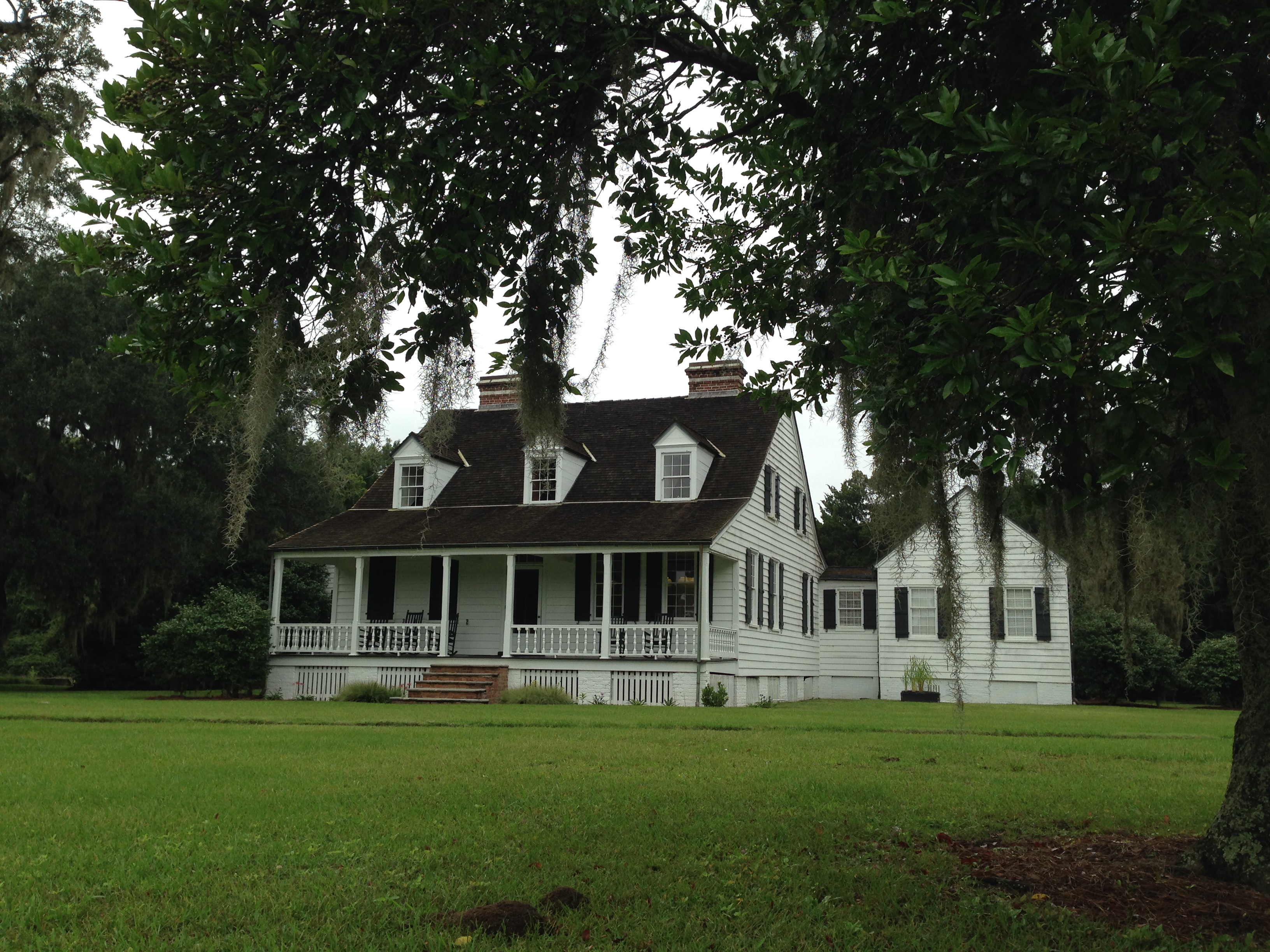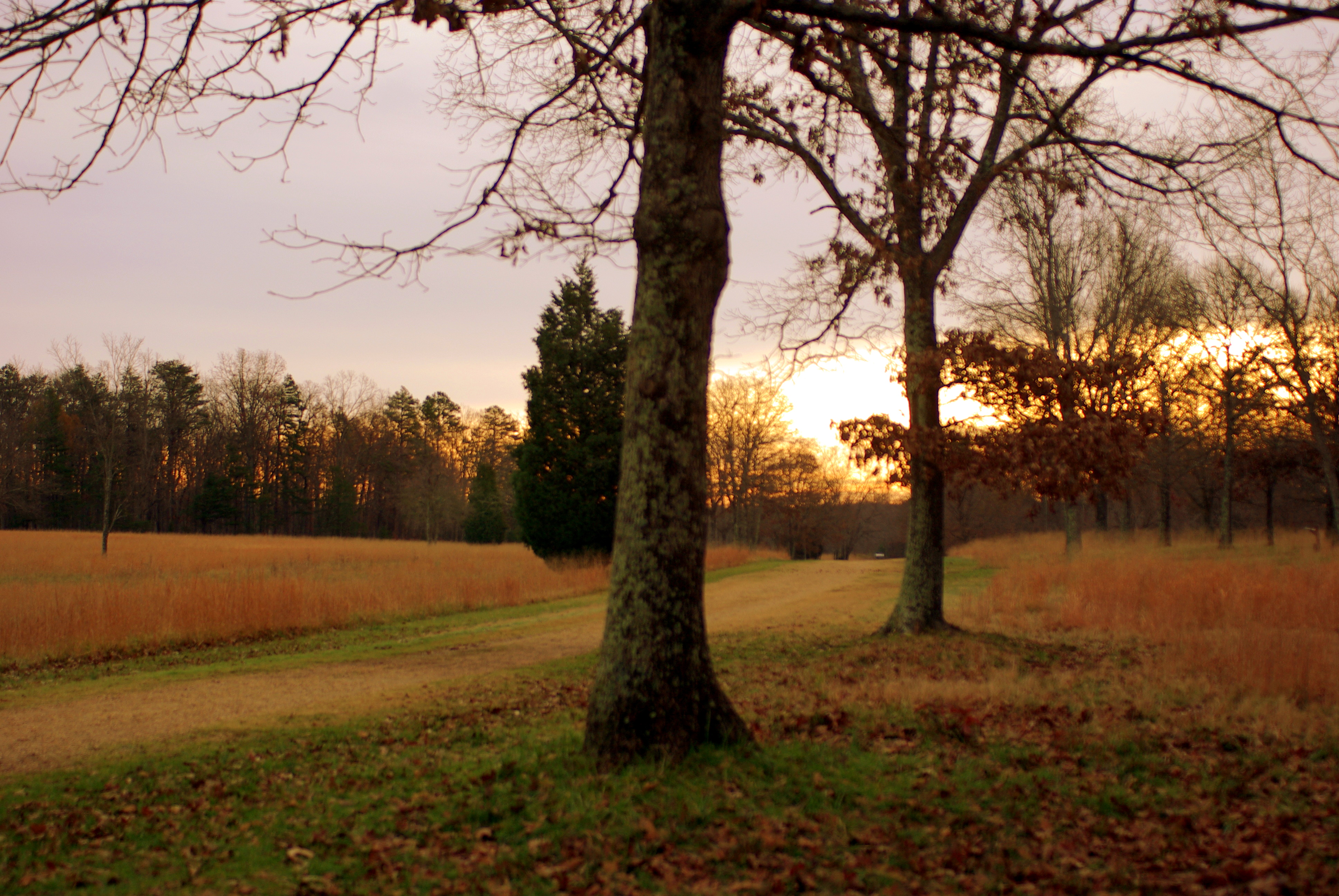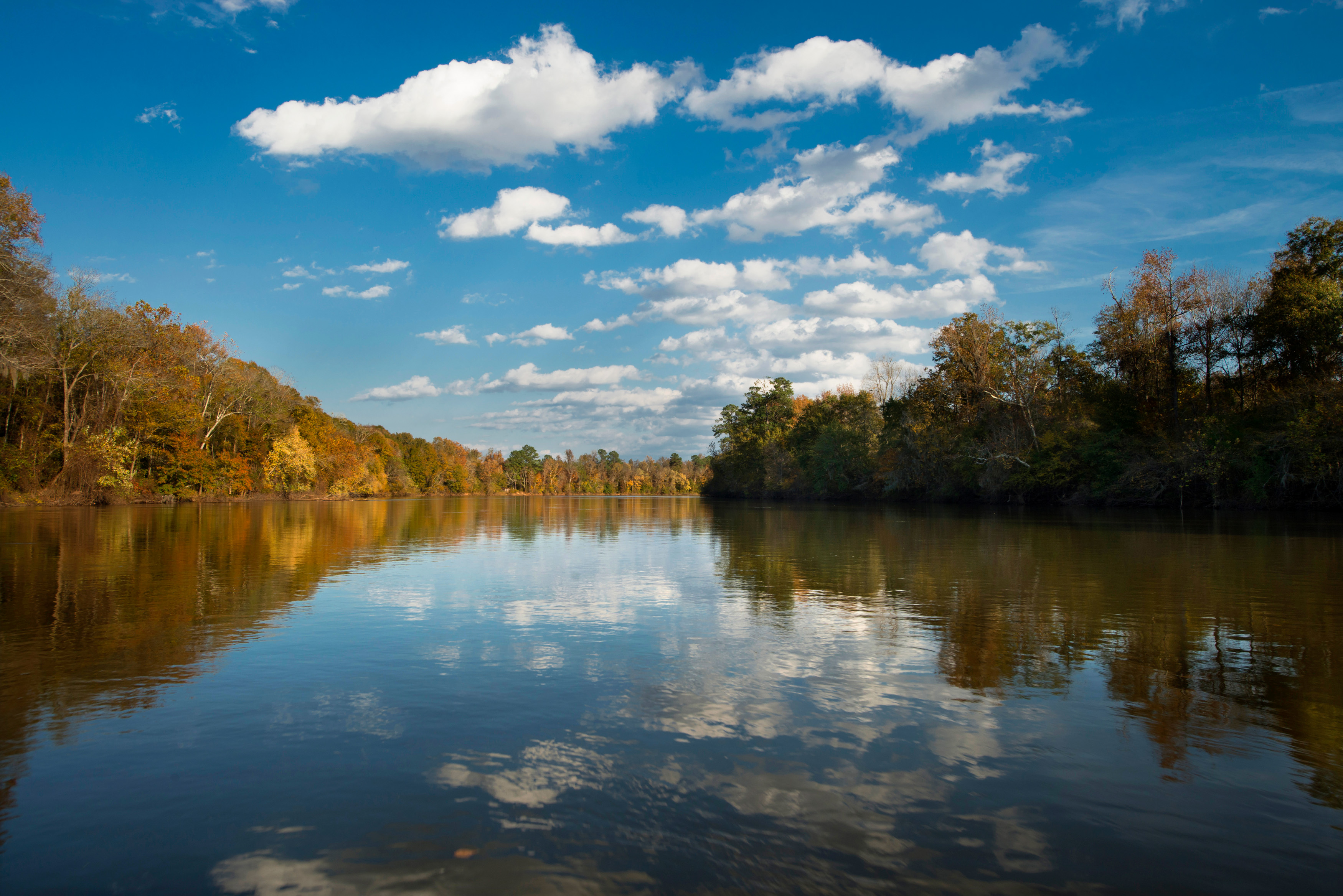
Congaree National Park preserves the largest intact expanse of old-growth bottomland hardwood forest in the southeastern United States. This primeval floodplain forest features some of the tallest trees in the temperate world, creating a cathedral-like canopy that towers over 100 feet above. Often overlooked yet internationally significant, Congaree offers an intimate wilderness experience in the heart of South Carolina.
Park Essentials
When to Visit
Best Season (October-April)
- Comfortable temperatures (50-75°F)
- Minimal mosquitoes
- Clear trails and waterways
- Peak visitation during firefly season
Spring (March-May)
- Wildflower blooms
- Bird migration
- Synchronous firefly event (mid-May)
- Increasing mosquito activity
Summer (June-September)
- Hot and humid (85-95°F)
- Extreme mosquito levels
- Frequent afternoon thunderstorms
- Quietest time for solitude
Winter (December-February)
- Coolest temperatures (35-55°F)
- Best for hiking all trails
- Possible flooding after storms
- Excellent birdwatching
Getting There
From Columbia, SC (20 miles)
- Take US-48/Bluff Road southeast
- Follow signs to park entrance
- 30-minute drive from downtown
From Charleston, SC (115 miles)
- Take I-26 west to Columbia
- Exit onto US-48/Bluff Road
- 2-hour drive total
Nearest Airports:
- Columbia Metropolitan (CAE): 30 miles
- Charlotte Douglas (CLT): 100 miles
- Charleston International (CHS): 120 miles
parkName: Congaree National Park
websiteUrl: https://www.nps.gov/cong/
campgroundReservationUrl: https://www.recreation.gov
additionalResources: [object Object],[object Object]
Champion Trees & Forest Giants
Record-Breaking Trees
Congaree boasts the highest concentration of champion trees in North America:
National Champions:
- Loblolly Pine: 170 feet tall, 15+ feet circumference
- Sweetgum: 157 feet tall
- Cherrybark Oak: 154 feet tall
- American Elm: 135 feet tall
- Water Hickory: State champion
Notable Features:
- Average canopy height exceeds 100 feet
- Some bald cypresses over 500 years old
- Cypress "knees" reaching 7 feet high
- 25+ state and national champion trees
Forest Ecosystem Layers
The old-growth forest functions in distinct vertical zones:
- Emergent Layer (130-170 ft): Champion pines rising above canopy
- Upper Canopy (100-130 ft): Sweetgum, tupelo, oaks
- Lower Canopy (60-100 ft): Holly, red maple
- Understory (20-60 ft): Pawpaw, spicebush
- Forest Floor: Ferns, wildflowers, fallen logs
Activities & Adventures
Hiking Trails
Boardwalk Loop Trail (2.6 miles, Easy)
- Elevated boardwalk through old-growth forest
- Wheelchair accessible main section
- Low boardwalk at forest floor level
- Interpretive signs and benches
Backcountry Trails (Note: "Difficult" = Navigation, not elevation)
- Weston Lake Loop (4.5 mi): Most popular backcountry trail
- Oakridge Trail (7.1 mi): Through magnificent oak forests
- River Trail (11.1 mi): Remote path to Congaree River
- Kingsnake Trail (12 mi): Longest and most challenging
Trail Conditions:
- All trails are flat (max 20 ft elevation change)
- Difficulty ratings refer to navigation challenges
- Trails may flood after heavy rains
- Downed trees common after storms
Paddling Adventures
Cedar Creek Canoe Trail
- Marked 15-mile trail through pristine blackwater creek
- Ancient bald cypress and tupelo trees
- Wildlife viewing opportunities
- Portages required around fallen trees
Equipment & Access:
- No park rentals - bring your own or use outfitters
- Launch at Bannister Bridge or South Cedar Creek
- Check water levels before paddling
- GPS recommended for navigation
Local Outfitters:
- Palmetto Outdoor: Guided tours available
- Carolina Outdoor Adventures: Rentals and shuttles
- River Runner Outdoor Center: Equipment and maps
Wildlife & Natural Features
Wildlife Viewing
Mammals:
- River otters in Cedar Creek
- White-tailed deer
- Wild boar (feral hogs)
- Bobcats (rarely seen)
- Nine-banded armadillos
Birds (191 species recorded):
- Barred owls (active day and night)
- Pileated woodpeckers
- Prothonotary warblers
- Wood storks (summer)
- Mississippi kites
Reptiles & Amphibians:
- American alligators (rare)
- Copperheads and cottonmouths
- Five-lined skinks
- Green tree frogs
- Marbled salamanders
The Floodplain System
Congaree is NOT a swamp but a floodplain forest:
- Floods approximately 10 times annually
- Nutrient-rich sediments feed giant trees
- Dynamic ecosystem with wet/dry cycles
- Creates diverse microhabitats
Synchronous Fireflies
The Annual Spectacle
For two weeks in mid-May to early June, Congaree hosts one of nature's most magical displays:
What Makes Them Special:
- Photuris frontalis fireflies flash in unison
- Creates waves of light through dark forest
- Peak display 9:00-10:00 PM
- One of only three US locations
Lottery System (Required):
- Apply through Recreation.gov in April
- $1 application fee (non-refundable)
- $24 event fee if selected
- 145 vehicle passes per night
- Extremely competitive (thousands apply)
Viewing Rules:
- Red lights only (no white lights/phones)
- Apply bug spray in parking lot only
- Stay on designated Firefly Trail
- No flash photography
Camping & Accommodations
Park Camping
Longleaf Campground
- 10 walk-in tent sites
- First-come, first-served
- Vault toilets, no showers
- Free with registration
Bluff Campground
- Group camping only (8-24 people)
- Reservation required
- Vault toilets, picnic shelter
- $40/night
Backcountry Camping
- Free permit required
- No designated sites
- Must be 200 feet from trails
- Leave No Trace required
Nearby Lodging
Columbia (20 miles):
- Full range of hotels
- Restaurants and services
- USC campus area popular
- 30-minute drive to park
Hopkins/Gadsden:
- Limited rural options
- B&Bs and cabin rentals
- Closer to park (10-15 min)
Park ratings
- scenicBeauty: 4
- wildlifeViewing: 4
- hikingTrails: 3
- accessibility: 4
- familyFriendly: 4
- solitude: 5
Essential Information
Park Facilities
Harry Hampton Visitor Center
- Open daily 9 AM - 5 PM
- Exhibits and orientation film
- Park store and restrooms
- Free WiFi available
- Mosquito Meter!
Fees & Passes
- Entrance: FREE (no fee area)
- Camping: FREE (registration required)
- Backcountry: FREE (permit required)
- Programs: FREE
Safety Considerations
Wildlife Hazards:
- Venomous snakes (give wide berth)
- Wild boar (dangerous if cornered)
- Mosquitoes (bring repellent)
- Ticks (check frequently)
Environmental Hazards:
- Flash flooding possible
- Fallen trees after storms
- No cell service in backcountry
- High humidity and heat (summer)
The Famous Mosquito Meter: Located at visitor center, ranges from:
- "All Clear" (winter)
- "Moderate" (spring/fall)
- "Severe" (early summer)
- "War Zone" (peak summer)
What to Bring
Essential Gear:
- Insect repellent (DEET recommended)
- Long pants and sleeves
- Waterproof boots (trails can be muddy)
- More water than you think you need
- Headlamp for evening programs
- GPS device for backcountry
For Paddling:
- PFD (required)
- Dry bags
- Saw for small portages
- Extra paddle
- First aid kit
Expert tips
- Visit midweek in late October for perfect weather and minimal bugs
- Download offline maps - cell service is spotty throughout park
- Join ranger-led Owl Prowl for guaranteed barred owl encounters
- Cedar Creek is best paddled at 3-4 feet on USGS gauge
- The boardwalk at dawn offers best wildlife photography
- Bring a red flashlight year-round for night programs
Seasonal Planning
Monthly Breakdown
January-February: Cool, dry, excellent hiking March-April: Spring blooms, migrating birds May: Firefly lottery, increasing mosquitoes June-August: Hot, humid, extreme mosquitoes September: Still buggy, afternoon storms October-November: Perfect weather returns December: Cool, peaceful, holiday crowds
Special Events
- Synchronous Fireflies (May): Lottery required
- Owl Prowls (Year-round): Evening programs
- Longleaf Pine Seedling Planting (Winter)
- Champion Tree Walks (Monthly)
Conservation Story
Historical Significance
- 1800s: Refuge for freedom seekers (maroons)
- 1900s: Logged but never clear-cut
- 1950s: Harry Hampton's "Redwoods of the East" campaign
- 1976: Designated National Monument
- 2003: Upgraded to National Park status
International Recognition
- UNESCO Biosphere Reserve
- Ramsar Wetland of International Importance
- Important Bird Area (Audubon)
- Old-Growth Forest Network Site
Current Research
- Climate change impacts on floodplain forests
- Champion tree genetics studies
- Firefly population monitoring
- Invasive species management
- Prescribed fire restoration
Congaree National Park may lack the dramatic vistas of western parks, but it offers something equally valuable - an intimate encounter with one of America's last primeval forests. Here, beneath a canopy that predates the nation itself, visitors discover that true wilderness still exists in the Southeast. Whether paddling through cypress-draped waterways, walking among record-breaking trees, or witnessing the ethereal firefly display, Congaree rewards those who look closely at a landscape where giants still walk the Earth.
Real satellite imagery on NASA elevation — orbit the peaks at true scale.
Explore in 3D →What the park will quietly do to you.
Heat & Sun
SummerSummer highs can hit 100°F+ in many western parks. Carry 2 L of water per person minimum and avoid strenuous activity 10am–4pm.
Wildlife
Year-roundKeep 100 yards from bears and wolves, 25 from everything else. Never feed wildlife — it changes their behavior and ends with the animal euthanized.
Weather windows
SummerHigh-country thunderstorms build fast in summer afternoons. Plan to be off exposed ridges by noon, especially July–September.
Permits & timed entry
Plan aheadSeveral parks require timed-entry reservations or wilderness permits. Reserve weeks ahead via recreation.gov — same-day windows are limited.
Hero photo: NPS