Fort Frederica National Monument
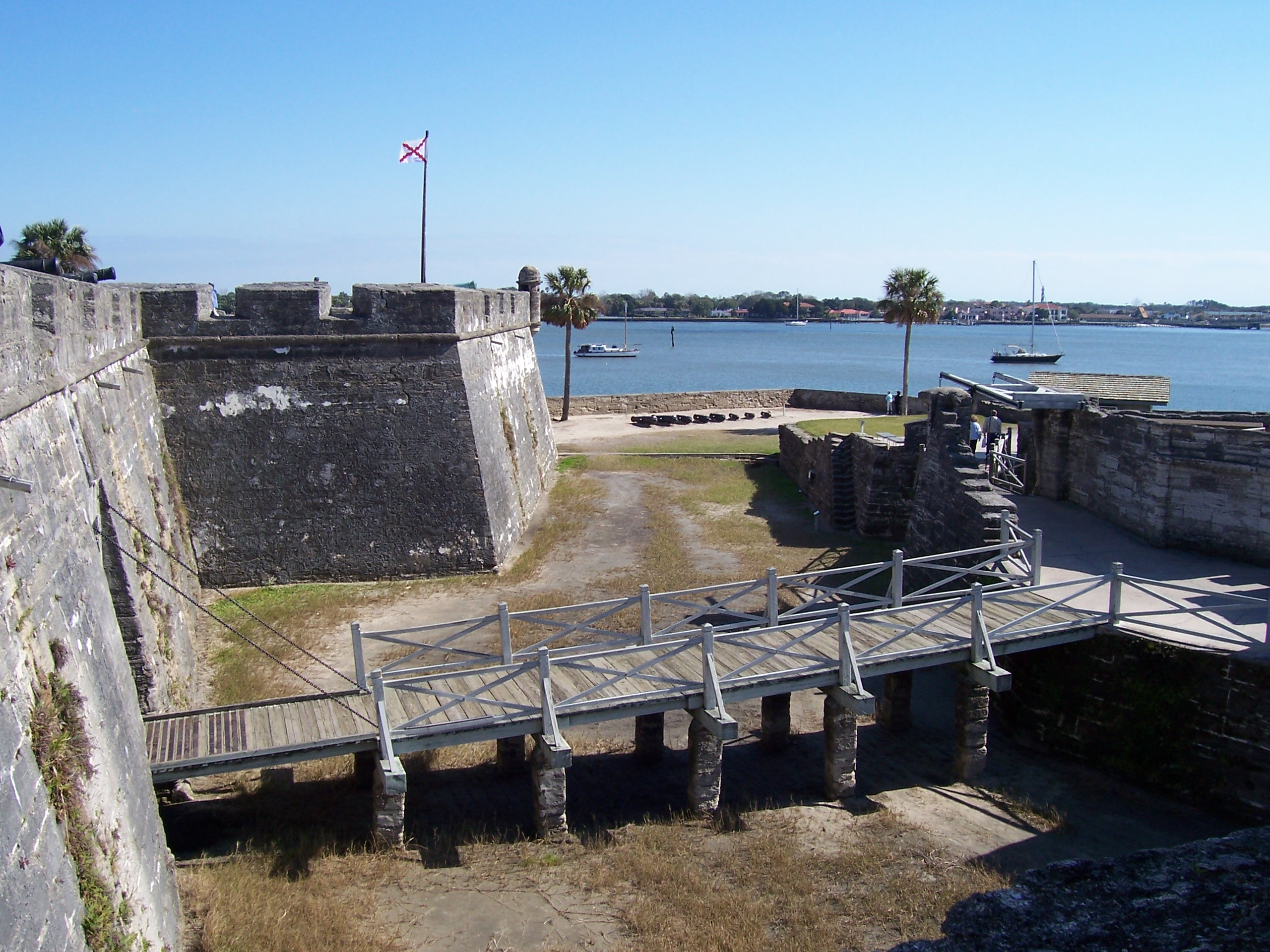
Visitors to Georgia will find Fort Frederica National Monument listed as a national monument — a federal designation chosen for a reason, and worth understanding once you arrive. War was imminent as James Oglethorpe established Fort Frederica in 1736, to help protect the British colonies from the Spanish in Florida. Fort Frederica illustrates the story of the War of Jenkins Ear (1739-1748) and how its British defenders fought off the Spanish Army.
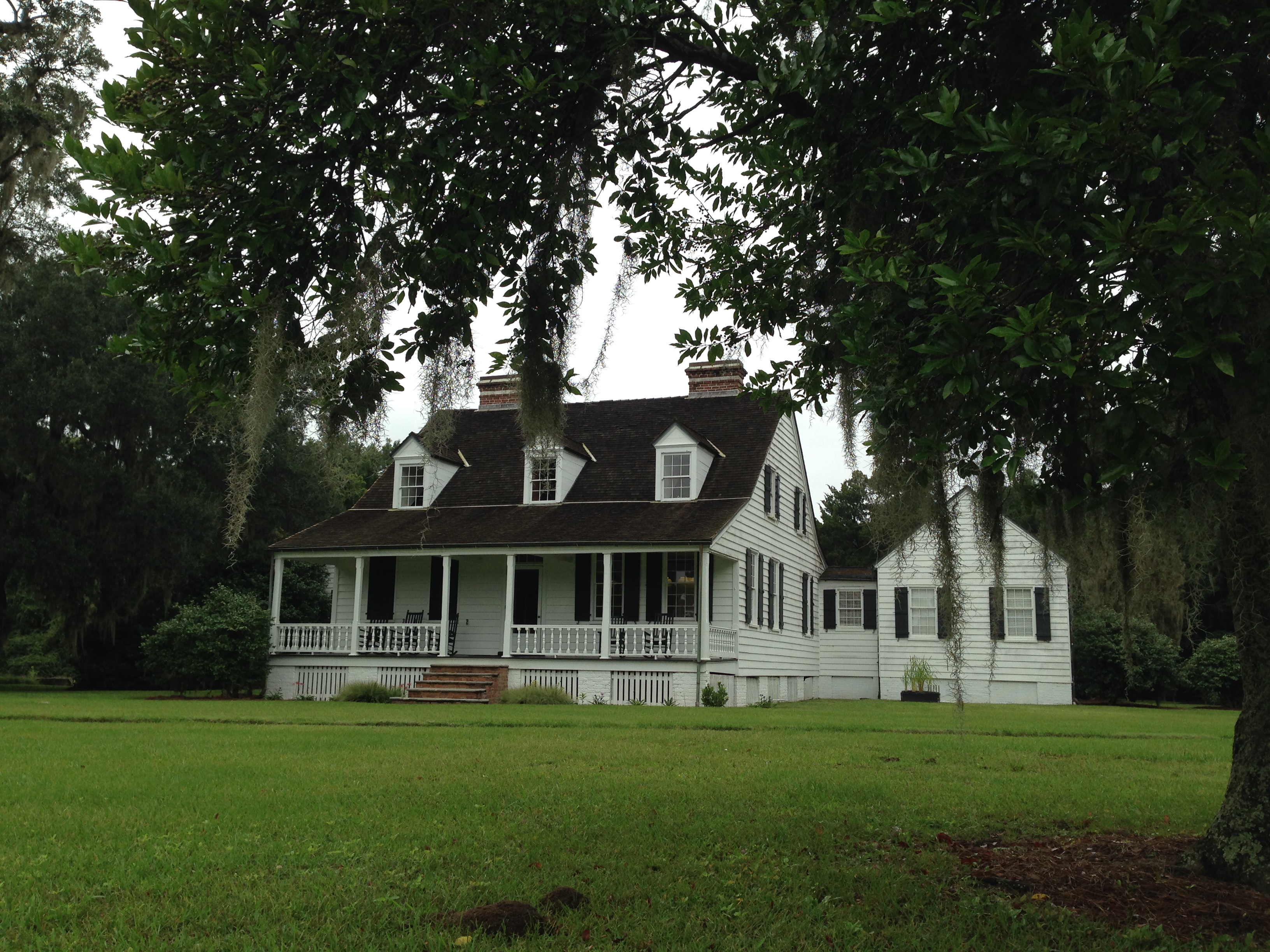
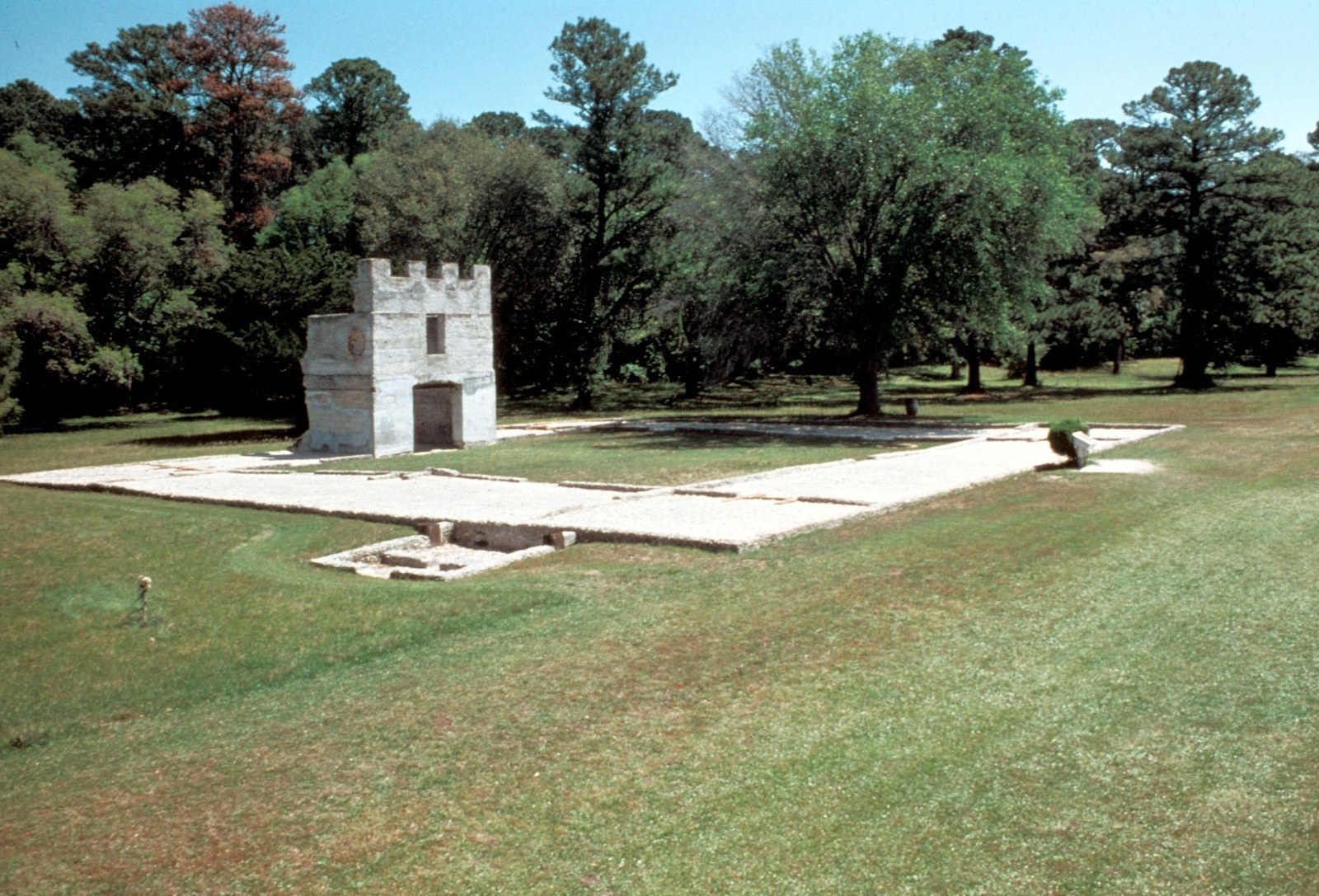
Today, archeology has uncovered the story of the 1,000 people that once lived here.
Monuments like Fort Frederica National Monument are organized around something specific — a formation, a building complex, a fossil bed, a cultural site. Plan around that rather than expecting a multi-day experience.
Key Highlights
- Archeology
- Colonization and Settlement
- Wars and Conflicts
- Colonial/European Contact Conflicts
- Hiking
- Biking
- Museum Exhibits
Getting There
Reaching Fort Frederica National Monument is straightforward once you know the route. Directions from Torras Causeway: at end of causeway, get in left lane. Follow left lane to traffic light. Go straight at light. Follow Sea Island Road to Frederica Road. Turn left at traffic light onto Frederica Road. Follow Frederica to roundabout. Take second exit of roundabout (still on Frederica). Go approximately 1 mile. Turn left onto park entrance road. Across from Wesley United Methodist Church. For detailed directions, clink the link below.
By Car
Most visitors arrive by private vehicle or rental car. Road conditions vary with weather and construction, so check the park's alerts page the day before you travel. Pay attention to GPS directions in rural stretches—some apps route drivers onto unmaintained service roads rather than the signed park entrance.
Nearest Airports
Regional airports provide the most convenient access for long-distance travelers. For the most current airline service and driving distances, cross-reference flight options with the park's contact page. Budget extra drive time from any airport, especially if you arrive after dark or during winter weather.
Public Transit and Tours
Direct public transit is limited at most National Park Service sites, but guided day tours and shuttles sometimes operate from nearby cities during peak season. Rideshare options are often reliable in gateway towns but may drop off outside the park boundary rather than at specific trailheads or visitor centers.
For turn-by-turn directions and current road status, consult the park's official directions page: http://www.nps.gov/fofr/planyourvisit/directions.htm.
Best Time to Visit
Weather shapes every visit. The site enjoys mild climate from fall through early summer, followed by hot, humid summers.
Spring (March – May)
Spring offers wildflowers, mild temperatures, and manageable crowds before the summer peak.
Summer (June – August)
Summer means longer days and fuller ranger programming, balanced by heat and higher visitation. Start early to beat both.
Fall (September – November)
Fall is often the sweet spot—cooler temperatures, sharper light for photography, and fewer visitors on trails.
Winter (December – February)
Winter brings solitude and, in many regions, a different character to the landscape. Expect reduced hours at some facilities.
Activities and Adventures
Activities at Fort Frederica National Monument reflect the character of the site. The options below are drawn from the park's current published list—confirm availability and any required reservations before planning around a specific activity.
- Biking — confirm which roads and paths allow bikes and whether rentals are available in the gateway community.
- Guided Tours — schedules rotate seasonally; check the visitor center board on arrival for the current lineup.
- Hiking — trails range from short interpretive loops to longer, more demanding routes; match your choice to conditions and fitness.
- Living History — ask at the visitor center for current conditions, reservations, and any required permits.
- Junior Ranger Program — schedules rotate seasonally; check the visitor center board on arrival for the current lineup.
- Park Film — ask at the visitor center for current conditions, reservations, and any required permits.
- Museum Exhibits — the visitor center is the best first stop for context, maps, and current program information.
Ranger-led programs are often the highest-value activity for first-time visitors, combining interpretation with access you might miss on your own. Check program schedules at the visitor center on arrival.
History and What to See
Fort Frederica National Monument is primarily a site of historical and cultural significance. Beyond the headline landmarks, the park preserves smaller details—inscriptions, outbuildings, period plantings, wayside exhibits—that repay an unhurried visit.
Featured interpretive themes include Archeology, Colonization and Settlement, Wars and Conflicts, Colonial/European Contact Conflicts.
Interpretation and Programs
Ranger talks, living-history demonstrations, and self-guided audio tours bring the story to life. If your schedule allows, time your visit to catch at least one ranger-led program; the added context transforms what you see on the grounds.
Preserved Structures and Landscape
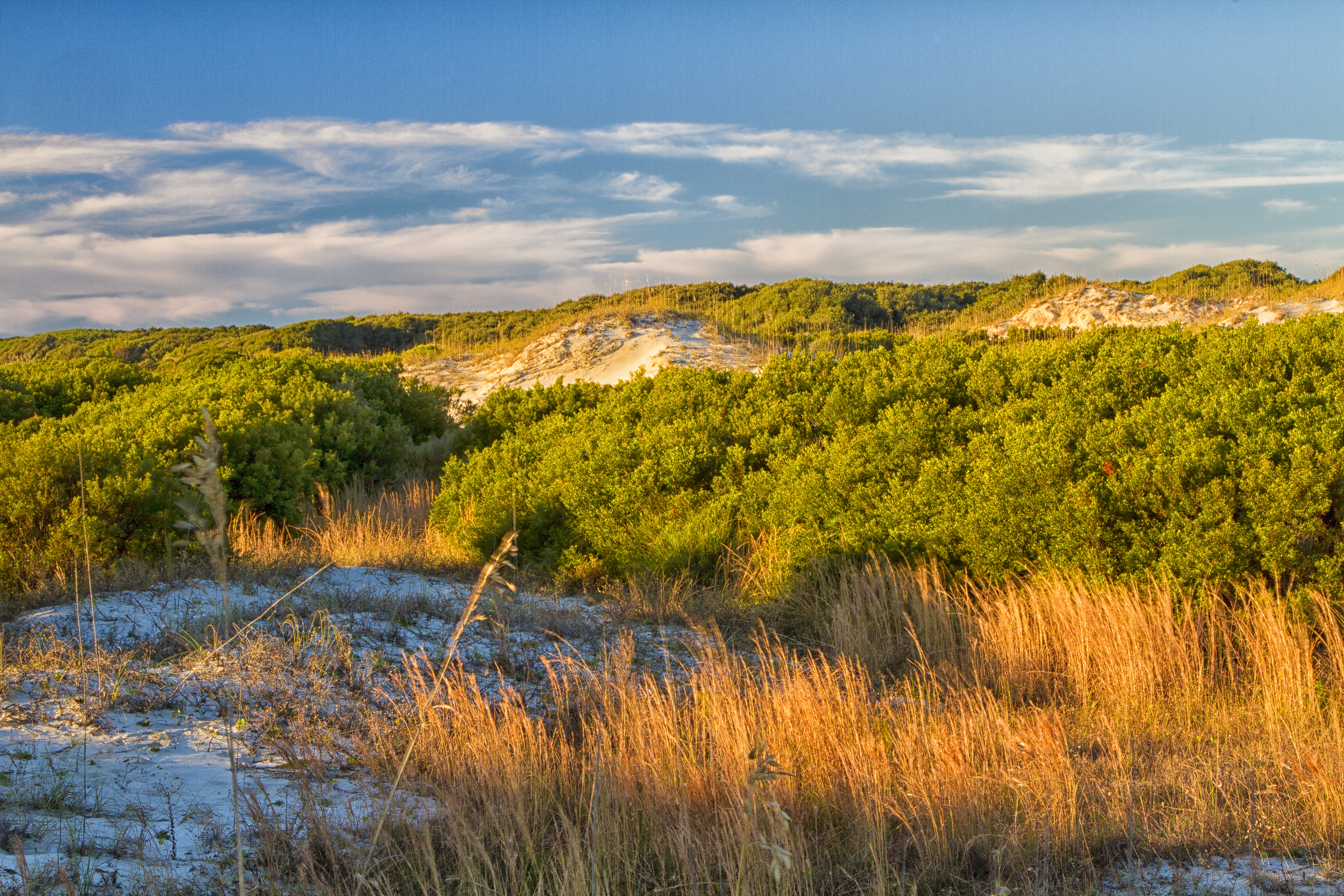
The National Park Service preserves the physical setting as faithfully as possible. Walking the grounds gives you a sense of scale—distances, sightlines, elevation—that is hard to appreciate from photos alone.
Research and Archives
Many historic sites maintain libraries, archives, or partnered research centers. If you have a specific interest, contact the park in advance; staff can often point you toward documents, oral histories, or special collections.
Lodging and Camping
Lodging strategy depends on how long you plan to stay at Fort Frederica National Monument and what you want to do when you are not at the park.
On-Site Stays
Overnight accommodations inside the park's boundary are limited or not offered here. Most visitors stay in nearby towns and commute in each day.
Gateway Towns and Nearby Lodging
Communities close to the park offer a mix of chain hotels, independent inns, vacation rentals, and—depending on location—bed-and-breakfasts. Several Georgia towns serve as convenient bases, with restaurants, fuel, and grocery resupply. Book well ahead for summer weekends and major holidays.
Operating Hours and Seasons
Fort Frederica National Monument Grounds: Park & Grounds Closed:
Thanksgiving Christmas Day New Year's Day
Essential Information
Fees and Passes
No standard entrance fee is charged. Some special programs or partner-run facilities within the park may carry their own fees, so confirm before booking anything ticketed.
Contact
- Phone: 9126383639
- Email: fofr_visitor_information@nps.gov
- Official site: https://www.nps.gov/fofr/index.htm
Safety
Carry water, sun protection, and layered clothing appropriate for the season. Cell coverage can be spotty in parts of the park—download offline maps before you leave your lodging. In an emergency, dial 911 or contact the nearest ranger station.
Services and Accessibility
Main visitor centers typically offer accessible restrooms, interpretive exhibits, bookstore sales, and ranger assistance. Accessibility varies by building and trail; contact the park ahead of time to discuss specific needs. Pets are often allowed on leash in designated areas only—check current rules before bringing animals.
Regulations to Know
Drones are prohibited in nearly all National Park Service units without a special permit. Metal detecting, collection of natural or cultural objects, and off-trail travel in sensitive areas are also commonly restricted. Read the signs at each trailhead and ask a ranger if you are unsure.
Fort Frederica National Monument is built for attention, not distance. Slow down and the site opens up.
Real satellite imagery on NASA elevation — orbit the peaks at true scale.
Explore in 3D →What the park will quietly do to you.
Heat & Sun
SummerSummer highs can hit 100°F+ in many western parks. Carry 2 L of water per person minimum and avoid strenuous activity 10am–4pm.
Wildlife
Year-roundKeep 100 yards from bears and wolves, 25 from everything else. Never feed wildlife — it changes their behavior and ends with the animal euthanized.
Weather windows
SummerHigh-country thunderstorms build fast in summer afternoons. Plan to be off exposed ridges by noon, especially July–September.
Permits & timed entry
Plan aheadSeveral parks require timed-entry reservations or wilderness permits. Reserve weeks ahead via recreation.gov — same-day windows are limited.
Hero photo: NPS photo