Glacier National Park: Where 700 Miles of Trails Lead Through Grizzly Kill Zones
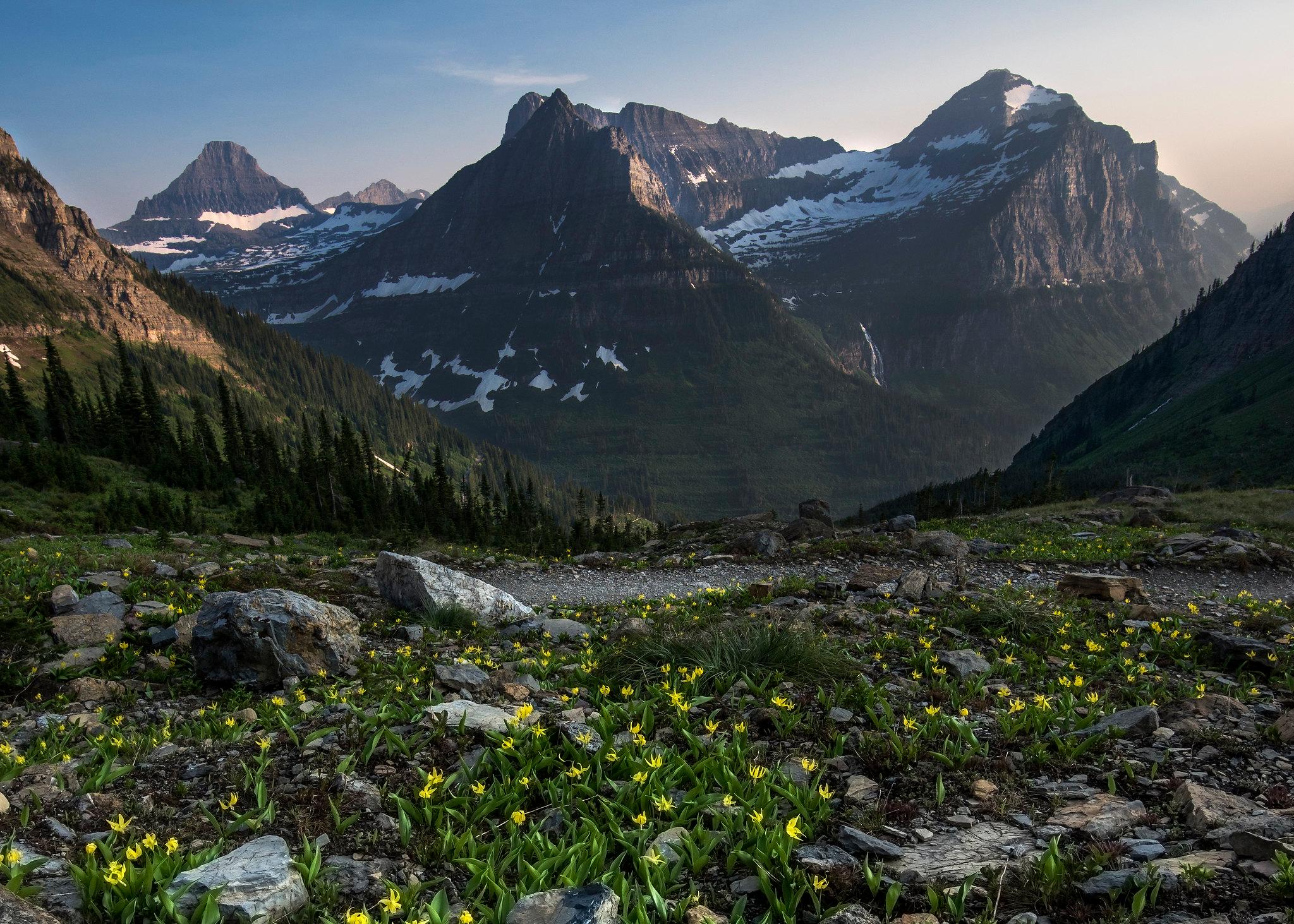
Spanning one million acres of Montana wilderness where grizzly bears outnumber cell towers 1,000 to 1, Glacier National Park sends multiple visitors to their deaths annually through bear attacks, hypothermia, and gravity while 3 million tourists attempt to navigate the "Crown of the Continent." This alpine death trap features 26 active glaciers carving unstable terrain, 175 mountains where afternoon lightning strikes without warning, and over 762 lakes cold enough to stop hearts in minutes. With the densest grizzly population in the lower 48 states, trails that cross avalanche zones even in July, and the Going-to-the-Sun Road that kills through 1,000-foot drops, Glacier proves that Instagram photos come with body bags when you enter North America's most dangerous ecosystem unprepared.
Essential Information at a Glance
- Size: 1,013,572 acres spanning Montana/Canada border
- Established: May 11, 1910
- Annual Visitors: 2,908,458 (2023) - Vehicle reservations required
- Elevation Range: 3,150 feet to 10,466 feet (Mt. Cleveland)
- Entry Fee: $35 per vehicle (7 days), $20 per person
- Key Dangers: Grizzly bears, hypothermia, avalanches, altitude sickness
- GTSR Reservation: $2 additional (required June-September)
Survival Essentials: Grizzly Country Preparedness
The Bear Encounter Equation
With one of North America's densest grizzly populations, encounters aren't rare—they're expected. Bears run 35 mph uphill. Your running speed: 8 mph downhill. Bear spray success rate: 92%. Playing dead success rate: varies. Fighting back against grizzlies: usually fatal.
Recommended gear: grizzly defense
- Hiking Backpacksvia REI
- Trail Shoesvia Merrell
- Book Lodgingvia Booking.com
- Car Rentalsvia Rentalcars.com
We may earn a commission from purchases made through links on this page. See our disclosure.
Glacier Survival Arsenal
Bear Defense Mandatory
- Bear spray (2 canisters minimum)
- Bear-proof food containers (required)
- Noise makers for blind corners
- Scent-proof bags for EVERYTHING
- Emergency air horn
Alpine Exposure Protection
- 4-season tent (storms year-round)
- Zero-degree sleeping system
- Emergency bivy sack
- Satellite messenger (no cell service)
- Avalanche beacon (spring/winter)
Hypothermia Prevention
- Waterproof EVERYTHING
- Dry bags for river crossings
- Chemical heat packs
- Insulating layers (temps drop 50°F)
- Emergency shelter
Navigation & Communication
- GPS with downloaded maps
- Physical maps (mandatory)
- Satellite communicator
- Emergency whistle
- Signal mirror
Death Zones: Glacier's Kill Geography
Many Glacier Valley: Grizzly Central
Highest concentration of grizzly bears in the park. Narrow trails funnel hikers and bears together. Grinnell Glacier trail = multiple maulings. Morning and evening = peak bear activity. Moose also claim territory here. No escape routes on cliff trails.
Highline Trail: 11.8 Miles of Exposure
Carved into the Garden Wall with 1,000-foot drops and zero railings. Afternoon thunderstorms trap hikers on exposed ledges. One slip = certain death. Bighorn sheep knock rocks onto hikers. Wind gusts exceed 70 mph.
Sperry Glacier: Crevasse Roulette
4,000-foot climb to active glacier. Hidden crevasses swallow hikers. Whiteout conditions common. Avalanche zones persist into August. Route finding critical. Self-rescue only option.
Going-to-the-Sun Road: 50 Miles of Death
Engineering marvel with 1,000-foot drops and no shoulders. Rockslides kill without warning. Vehicle size restrictions for good reason. Black ice forms in shadows year-round. Bicyclists die from car strikes.
Avalanche Lake: Hypothermic Beauty
Fed by glacial melt at 35°F. Looks inviting but kills through cold shock. Surrounded by avalanche chutes. Bears fish here. No warming possible after immersion.
Grizzly Reality: North America's Apex Predator
Population Statistics
- Park Population: 300+ grizzlies
- Density: Highest in lower 48
- Territory: 100-600 square miles each
- Speed: 35 mph in any terrain
- Swimming: Excellent
Encounter Protocol
- Never run (triggers chase instinct)
- Make yourself large (arms up)
- Back away slowly (avoid eye contact)
- Deploy spray at 30 feet
- If attacked: Play dead (grizzly) or fight (black bear)
Fatal Attraction Zones
- Berry patches (July-September)
- Avalanche chutes (spring vegetation)
- Stream corridors (fish runs)
- Carcass sites (extremely dangerous)
- Alpine meadows (root digging)
Food Storage Reality
- Hard-sided vehicles only
- Bear boxes mandatory at camps
- Hang bags 10 feet up, 4 feet out
- Cook 100 feet from tent
- Everything scented = bear attractant
Hypothermia Highways
Water Temperature Reality
- Glacier-fed streams: 32-40°F
- Alpine lakes: 35-50°F
- Survival time: 10-30 minutes
- Shock response: Immediate
- Recovery: Often impossible
Stream Crossing Deaths
- Spring runoff = raging torrents
- Afternoon melt increases flow
- One slip = swept away
- Rocks are always slippery
- Hypothermia follows immersion
Weather Betrayal
- July snowstorms common
- Temperature drops 50°F at sunset
- Rain turns to snow above 8,000 feet
- Fog creates whiteout instantly
- Wind chill below zero possible
Alpine Hazards: The Vertical Killing Fields
Altitude Sickness Zones
- 8,000+ feet: Symptoms begin
- 10,000+ feet: Severe risk
- Breathing: 30% harder
- Dehydration: 2x faster
- Decision making: Impaired
Lightning Strike Reality
Build time: 11 AM - 2 PM Strike zone: 2 PM - 7 PM Safe window: Before 11 AM only Escape options: Usually none Annual strikes: 100,000+
Rockfall & Avalanches
- Freeze-thaw cycles destabilize cliffs
- Afternoon sun triggers rockfall
- Avalanches into July above 7,000 feet
- Snow bridges collapse without warning
- Rescue often impossible
Wildlife Beyond Bears
Mountain Goats: Cliff Pushers
Population: 1,500+ Danger: Territorial on narrow trails Defense: Never get between goat and cliff Injuries: Multiple annually Safe distance: 75+ feet
Moose: 1,000-Pound Rage Machines
Population: Small but deadly Speed: 35 mph through anything Temperament: Unpredictably aggressive Hot zones: Many Glacier, lake shores Defense: Get behind large trees
Mountain Lions: Silent Stalkers
Population: 50-100 Hunt method: Ambush from above Active: Dawn, dusk, night Defense: Fight back aggressively Children: Prime target size
Wolverines: Rare but Fierce
Population: under 50 Behavior: Fearless, aggressive Strength: Can drive off grizzlies Territory: High alpine zones Encounters: Back away slowly
Seasonal Death Patterns
Summer (July-August): Peak Carnage
Temperature: 40-85°F (varies by elevation) Deaths by:
- Grizzly encounters (peak activity)
- Lightning strikes (daily storms)
- Hypothermia (glacier-fed waters)
- Falls (crowded trails)
- Altitude sickness
Fall (September-October): Feeding Frenzy
Temperature: 20-65°F Hazards:
- Hyperphagia bears (desperate feeding)
- Early snowstorms
- Avalanche conditions begin
- Shorter days trap hikers
- Hypothermia risk increases
Spring (May-June): Avalanche Season
Temperature: 30-70°F Reality:
- Maximum avalanche danger
- Hungry bears emerging
- Rivers at flood stage
- Trails snow-covered above 6,000 feet
- Route finding critical
Winter (November-April): Closed for Death
Access: Extremely limited Hazards:
- Most roads closed
- Avalanche danger extreme
- Temperatures to -40°F
- Whiteout conditions
- Self-rescue only
Navigation Crisis Points
Communication Blackout
- Cell service: 1% of park
- GPS: Downloads mandatory
- Radio: No coverage
- Satellite: Only reliable option
- Emergency response: Hours to days
Getting Lost = Getting Dead
- Trails vanish in snow
- Fog obscures landmarks
- All valleys look similar
- Panic leads off-trail
- Off-trail = bear encounters
Search & Rescue Reality
- Response time: 4-24 hours
- Weather dependent: Often grounded
- Cost: Your responsibility
- Body recovery: Sometimes weeks
- Winter: Maybe next spring
Cost Reality Check
Entrance & Permits
- 7-Day Vehicle Pass: $35
- GTSR Reservation: $2 (mandatory summer)
- Annual Pass: $70
- Backcountry Permit: $7/person/night + $10 fee
- America the Beautiful: $80
Camping
- Frontcountry: $10-30/night
- Backcountry: Permit required
- Reservations: 6 months advance
- First-come sites: Full by 7 AM
- Hiker/biker: $8/person
Lodging Reality
- Many Glacier Hotel: $278-639/night
- Lake McDonald Lodge: $133-300/night
- Swiftcurrent Motor Inn: $254+/night
- Sperry Chalet: $314/person (hike-in only)
- Granite Park Chalet: $155/person (hike-in)
Hidden Costs
- Bear spray: $45-50 (can't fly with it)
- Glacier boat tours: $20-41/person
- Red Bus tours: $60-130/person
- Satellite messenger rental: $50/week
- Helicopter rescue: $25,000+
GTSR Vehicle Reservation System
Required Dates (2025)
- West Entrance: June 13 - Sept 28
- Hours: 7 AM - 3 PM
- North Fork: Same dates/hours
- Many Glacier: Shuttle only (construction)
- Cost: $2 (non-refundable)
Booking Windows
- 120 days in advance (8 AM MT)
- Next-day release (7 PM MT)
- Sell out in minutes
- No cell service to book on-site
- Lodge guests exempt for their area
Emergency Preparedness
Bear Attack Response
Grizzly: Play dead, protect neck Black Bear: Fight back viciously Report: Any encounter immediately Medical: Major trauma likely Evacuation: Helicopter required
Medical Reality
- Nearest hospital: Kalispell (2+ hours)
- Park medical: Extremely limited
- Evacuation cost: Your bill
- Wilderness first aid: Self-reliance critical
- Death investigation: Federal jurisdiction
10 Commandments of Glacier Survival
- Bears Own This Park - Spray accessible ALWAYS
- Hypothermia Kills in July - Water = death
- Altitude + Exertion = Sickness - Acclimate or evacuate
- Lightning Strikes Exposed Ridges - Down by noon
- Cell Phones Don't Work - Satellite or silence
- Weather Changes in 30 Minutes - Prepared or dead
- Solo Hiking = Death Wish - Groups of 4+
- Food Storage Is Life - One mistake = mauled
- Rescue Isn't Guaranteed - Self-sufficiency required
- Pretty Means Deadly - Respect or body bag
Final Reality Check
Glacier National Park isn't just another scenic destination—it's North America's last intact ecosystem where humans are prey, not apex predators. Those pristine trails wind through active grizzly hunting grounds. The crystal-clear lakes will stop your heart with cold before you can swim to shore. The dramatic peaks create their own weather systems that turn sunny days into whiteout death traps in 30 minutes. Every year, overconfident visitors discover that "Crown of the Continent" means you're entering a wilderness that hasn't been tamed, sanitized, or made safe for casual tourism. The park's beauty is matched only by its lethality. Come prepared with proper gear, deep humility, and the constant awareness that in Glacier, you're not at the top of the food chain—you're just another potential statistic in grizzly country. One bad decision, one surprise encounter, or one slip on ice-covered rock is all that separates an epic adventure from becoming part of the park's death toll.
Real satellite imagery on NASA elevation — orbit the peaks at true scale.
Explore in 3D →What the park will quietly do to you.
Heat & Sun
SummerSummer highs can hit 100°F+ in many western parks. Carry 2 L of water per person minimum and avoid strenuous activity 10am–4pm.
Wildlife
Year-roundKeep 100 yards from bears and wolves, 25 from everything else. Never feed wildlife — it changes their behavior and ends with the animal euthanized.
Weather windows
SummerHigh-country thunderstorms build fast in summer afternoons. Plan to be off exposed ridges by noon, especially July–September.
Permits & timed entry
Plan aheadSeveral parks require timed-entry reservations or wilderness permits. Reserve weeks ahead via recreation.gov — same-day windows are limited.
Hero photo: NPS Photo