Park Overview
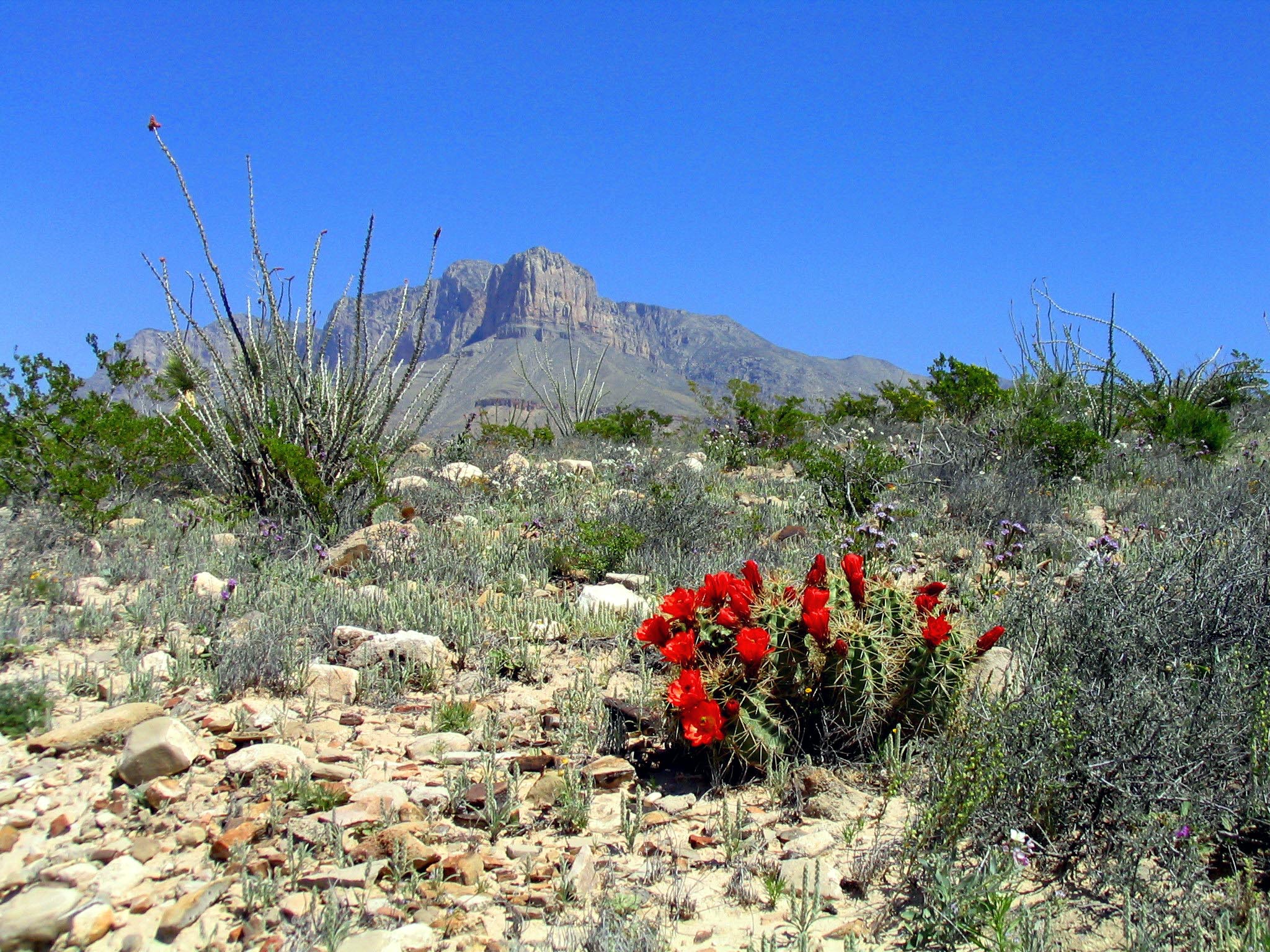
Guadalupe Mountains National Park preserves an ancient fossil reef rising dramatically from the Chihuahuan Desert floor in West Texas. Home to Guadalupe Peak - the highest point in Texas at 8,751 feet - and the world's most extensive Permian fossil reef, this rugged wilderness offers over 80 miles of trails through diverse ecosystems ranging from desert lowlands to conifer forests.
Unlike many parks designed for scenic drives, Guadalupe Mountains reveals its treasures only to those willing to explore on foot. No paved roads penetrate the interior; instead, challenging trails lead to spectacular vistas, hidden canyons, and unique geological formations that tell the story of an ancient sea that covered this region 260 million years ago.
Essential Alerts
Critical Safety Information
Extreme Wind Warning: Winds regularly exceed 60 MPH on exposed ridges
- Guadalupe Peak Trail particularly dangerous in high winds
- Check weather before any ridge hike
- Consider postponing summit attempts if wind advisories issued
Water Scarcity: NO reliable water sources on trails
- Carry minimum 1 gallon per person for day hikes
- 2+ gallons for Guadalupe Peak or longer trails
- Dehydration is the #1 emergency
Flash Flood Risk: Desert washes can flood rapidly
- Devil's Hall and other canyon hikes at risk
- Never camp in washes
- Monitor weather even if skies are clear
When to Visit
Fall (October-November): Peak Season
- Pros: Perfect hiking weather, McKittrick Canyon maples ablaze with color
- Cons: Crowds on weekends, campgrounds full
- Weather: Days 60-75°F, nights 40-50°F
Spring (March-May): Ideal Conditions
- Pros: Wildflowers, mild temperatures, fewer crowds
- Cons: Windy season, unpredictable weather
- Weather: Days 60-80°F, nights 30-50°F
Winter (December-February): Solitude Season
- Pros: Minimal crowds, clear skies, cooler hiking
- Cons: Snow/ice possible on peaks, very cold nights
- Weather: Days 50-60°F, nights 20-40°F
Summer (June-September): Challenging Season
- Pros: Long days, backcountry solitude
- Cons: Extreme heat at lower elevations, afternoon thunderstorms
- Weather: Days 85-95°F in desert, nights 50-65°F
Getting There
From Major Cities
- El Paso, TX: 110 miles (2 hours) via US-62/180 East
- Carlsbad, NM: 55 miles (1 hour) via US-62/180 South
- Midland/Odessa, TX: 150 miles (2.5 hours) via TX-302 and US-62/180
- Van Horn, TX: 65 miles (1 hour) via TX-54 North
Transportation Notes
- No public transportation to park
- Rental car essential from any major airport
- High clearance helpful for Salt Basin Dunes road
- No gas in park - fuel up in Dell City, Whites City, or Van Horn
Gateway Communities
- Whites City, NM (35 miles): Basic services at Carlsbad Caverns junction
- Dell City, TX (40 miles): Small town, limited services
- Van Horn, TX (65 miles): I-10 town with hotels and restaurants
- Carlsbad, NM (55 miles): Full services, closest major town
Conquering Texas's Highest Peak
Guadalupe Peak Trail
- Distance: 8.4 miles round trip
- Elevation Gain: 3,000 feet
- Time: 6-8 hours
- Difficulty: Very strenuous
Trail Breakdown
- Mile 0-1: Steepest section, immediate climbing
- Mile 1-2: Spectacular views begin, narrow trail
- Mile 2-3: Gentler grade, bridge crossing
- Mile 3-4.2: Exposed ridge to summit pyramid
Summit Success Tips
- Start by 7:30 AM for parking and heat avoidance
- Bring 2+ gallons water per person
- Use trekking poles for rocky descent
- Pack layers - summit 20-30°F cooler than base
- Turn back if thunderstorms approach
McKittrick Canyon: The Most Beautiful Spot in Texas
Access & Regulations
- Day Use Only: Gates locked at night
- Limited Parking: Arrive early on fall weekends
- Entry Times: Opens at 8 AM (MT), closes at 4:30 PM
Trail Options
Pratt Cabin (4.8 miles RT)
- Easy walk along creek
- Historic stone cabin
- Great for families
The Grotto (7 miles RT)
- Picnic area with tables
- Small cave formation
- Hunter Line Shack
The Notch (9.8 miles RT)
- Strenuous climb from Grotto
- Spectacular canyon views
- 1,100 feet elevation gain from Grotto
Fall Foliage
- Peak Colors: Late October - early November
- Species: Bigtooth maples, oaks, madrones
- Tip: Weekdays much less crowded
Unique Experiences
Devil's Hall
- Distance: 4.2 miles round trip
- Features: Natural rock staircase, narrow slot canyon
- Challenge: Rock scrambling in wash
- Highlights: 50-foot walls, wave-textured limestone
The Bowl Loop
- Distance: 9.1 miles
- Difficulty: Strenuous
- Features: High country forest, stunning views
- Wildlife: Best chance for elk and bear sightings
Salt Basin Dunes
- Location: Remote western park area
- Features: Gypsum sand dunes
- Access: 4WD recommended
- Activities: Photography, solitude
Where to Stay
In the Park
Backcountry Camping
- Free permits required (self-registration)
- Designated sites only
- No water sources - carry everything
- Bear canisters recommended
Nearby Lodging
Whites City, NM
- Rodeway Inn: Basic motel at Carlsbad Caverns junction
- Limited dining options
Van Horn, TX
- Multiple chain hotels along I-10
- Historic Hotel El Capitan
- More dining variety
Carlsbad, NM
- Full range of accommodations
- Best selection of restaurants
- 1+ hour drive to park
Wildlife & Natural History
Fossil Reef Heritage
- World's finest example of Permian reef
- 260-270 million years old
- Four distinct geological zones visible
- Marine fossils throughout trails
Wildlife Viewing
- Mule Deer: Common at all elevations
- Elk: Reintroduced herd in high country
- Mountain Lions: Present but rarely seen
- Javelinas: Desert areas
- Over 300 Bird Species: Including golden eagles
Plant Communities
- Desert: Sotol, agave, prickly pear
- Canyons: Maples, oaks, madrones
- High Country: Ponderosa pine, Douglas fir
- Spring Wildflowers: March-May peak
Historical Significance
Native American Heritage
- Mescalero Apache homeland
- Roasting pits still visible
- Sacred mountain landscape
Butterfield Overland Mail
- 1858-1861 stagecoach route
- Pinery Station ruins near visitor center
- Guadalupe Pass key landmark
Ranching Era
- Frijole Ranch (1876)
- Williams Ranch ruins
- Wallace Pratt's contributions
Photography Opportunities
Iconic Shots
- El Capitan from US-62/180
- Guadalupe Peak summit panorama
- McKittrick Canyon fall colors
- Devil's Hall formations
Best Light
- Sunrise: El Capitan glows orange
- Morning: McKittrick Canyon
- Evening: Western escarpment
- Night: Dark sky photography
Equipment Tips
- Wide angle for landscapes
- Telephoto for wildlife
- Polarizer for fall colors
- Tripod for wind stability
Planning Essentials
What to Bring
- Water: 1+ gallon per person per day
- Sun Protection: Hat, sunscreen, sunglasses
- Layers: Temperature swings 30-40°F daily
- Sturdy Boots: Rocky, uneven terrain
- Trekking Poles: Helpful on steep trails
- First Aid: Blister treatment essential
Visitor Centers
Pine Springs Visitor Center
- Main information hub
- Exhibits on geology and history
- Bookstore and maps
- Water fill station
McKittrick Canyon Contact Station
- Seasonal operation
- Limited services
- Parking overflow information
Special Considerations
- Cell Service: Very limited throughout park
- Nearest Hospital: Carlsbad, NM (55 miles)
- Pets: Allowed on Pinery Trail only
- Wilderness Ethics: Leave No Trace critical
Insider Tips
Beat the Crowds
- Visit McKittrick Canyon midweek in fall
- Start Guadalupe Peak by 6:30 AM
- Explore Dog Canyon for solitude
- Winter offers empty trails
Hidden Gems
- Permian Reef Trail geology walk
- Smith Spring oasis
- Frijole Ranch cultural history
- Bear Canyon remote beauty
Multi-Day Itinerary
Day 1: Guadalupe Peak (full day) Day 2: McKittrick Canyon to Grotto Day 3: Devil's Hall morning, Frijole Ranch afternoon Day 4: The Bowl or backcountry exploration
Guadalupe Mountains National Park rewards the prepared hiker with experiences found nowhere else in Texas. From the ancient fossil reef to the state's highest summit, from hidden desert springs to brilliant fall foliage, this rugged wilderness preserves both geological wonders and human history. Come ready to hike, carry plenty of water, and discover why this remote park captures the hearts of all who venture into its rocky embrace.
Real satellite imagery on NASA elevation — orbit the peaks at true scale.
Explore in 3D →What the park will quietly do to you.
Heat & Sun
SummerSummer highs can hit 100°F+ in many western parks. Carry 2 L of water per person minimum and avoid strenuous activity 10am–4pm.
Wildlife
Year-roundKeep 100 yards from bears and wolves, 25 from everything else. Never feed wildlife — it changes their behavior and ends with the animal euthanized.
Weather windows
SummerHigh-country thunderstorms build fast in summer afternoons. Plan to be off exposed ridges by noon, especially July–September.
Permits & timed entry
Plan aheadSeveral parks require timed-entry reservations or wilderness permits. Reserve weeks ahead via recreation.gov — same-day windows are limited.
Hero photo: NPS/Bieri