Park Overview
Mesa Verde National Park preserves the spectacular architectural legacy of the Ancestral Pueblo people, protecting over 5,000 archaeological sites including 600 remarkable cliff dwellings. Established in 1906 as America's first cultural national park, it offers an unparalleled window into 700 years of human history on the Colorado Plateau.
Perched on a high mesa in southwestern Colorado, the park showcases how the Ancestral Puebloans evolved from semi-nomadic hunters to sophisticated architects who built elaborate stone cities within sheer cliff faces. These structures, abandoned around 1300 CE, remain as testament to their builders' ingenuity and deep connection to the landscape. A UNESCO World Heritage Site since 1978, Mesa Verde continues to be sacred to 26 modern Pueblo tribes.
Essential Alerts
Tour Tickets - Plan Ahead!
Advance Reservations Required
- Cliff dwelling tours sell out weeks/months in advance
- Book at Recreation.gov starting 14 days prior
- No same-day tickets during peak season
- Each tour requires separate ticket purchase
Current Conditions
- Spruce Tree House: CLOSED indefinitely due to rockfall danger
- Cliff Palace: Open May-October with ranger tours only
- Balcony House: Most adventurous tour - not for those with height fears
- Long House: Wetherill Mesa, open late May-early September
Access Requirements
- Physical Demands: Tours involve ladders, tunnels, and uneven steps
- Time Commitment: Allow 1 hour to reach Chapin Mesa from entrance
- Seasonal Roads: Wetherill Mesa road closed in winter
- Weather: Afternoon thunderstorms common in summer
When to Visit
Summer (June-August): Peak Season
- Pros: All sites open, maximum tour availability, long days
- Cons: Extreme crowds, hot afternoons, tour tickets scarce
- Strategy: Book tours months ahead, start early
Spring/Fall (April-May, September-October): Ideal Conditions
- Pros: Pleasant weather, moderate crowds, easier tour access
- Cons: Some sites closed, shorter days
- Highlights: Fall colors, spring wildflowers
Winter (November-March): Quiet Season
- Pros: Minimal crowds, snow-dusted ruins, solitude
- Cons: Only Chapin Mesa open, no cliff dwelling tours
- Activities: Self-guided mesa top sites, museum
Getting There
From Major Cities
- Denver: 380 miles (6.5 hours) via US-160
- Albuquerque: 250 miles (4 hours) via US-550
- Phoenix: 420 miles (6.5 hours) via US-160
- Salt Lake City: 450 miles (7 hours) via I-70
Regional Airports
- Durango (DRO): 35 miles east
- Cortez (CEZ): 10 miles west
- Farmington (FMN): 65 miles south
Gateway Communities
- Cortez: 10 miles west, full services
- Mancos: 7 miles east, small town charm
- Durango: 35 miles east, largest nearby city
Important Driving Notes
- Steep, winding entrance road
- No gas stations in park
- 45-60 minutes from entrance to sites
- Large RVs restricted on some roads
Cliff Dwelling Tours
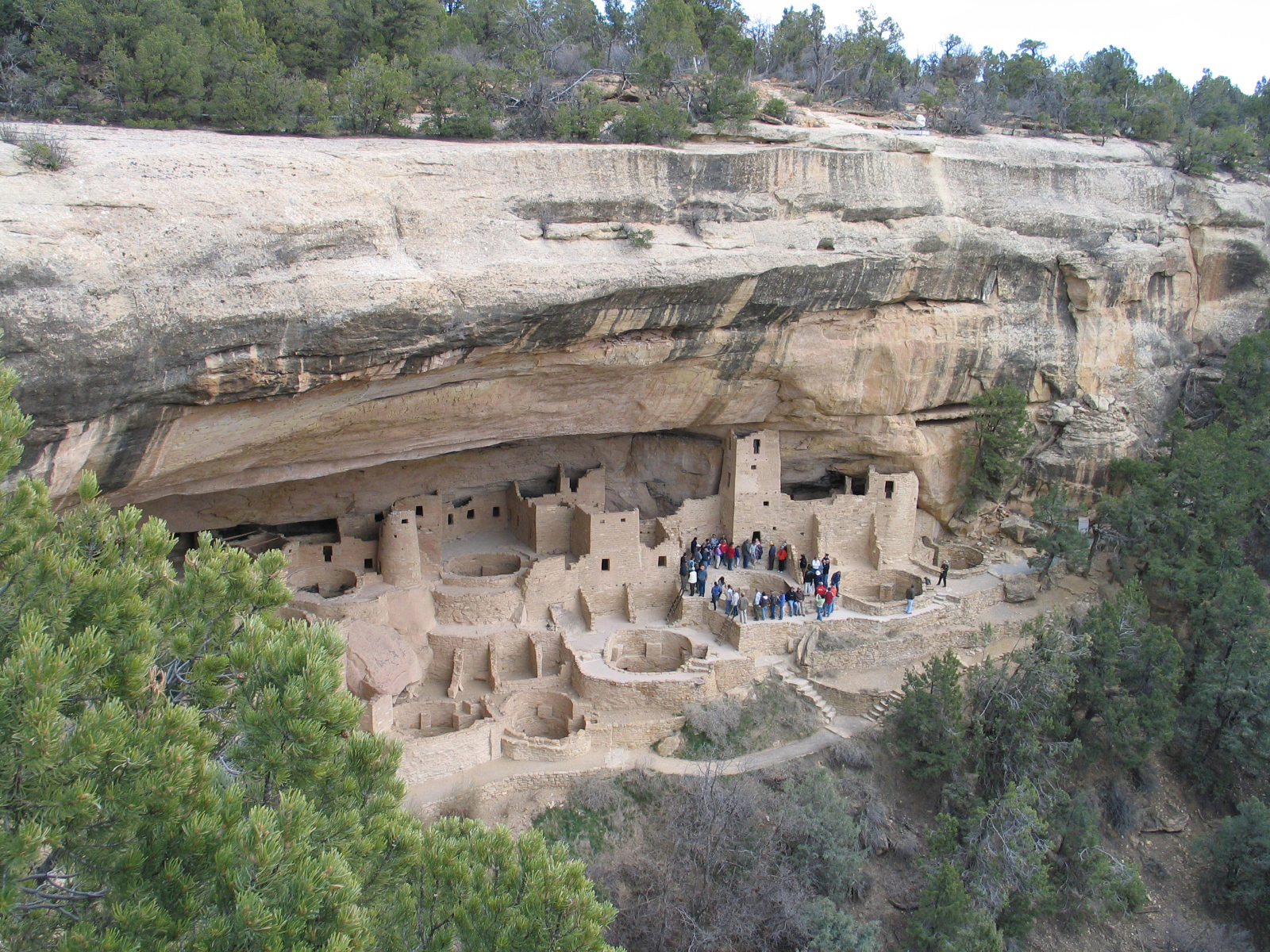
Cliff Palace
- Tickets: $8 per person
- Duration: 1 hour
- Physical: Climb 5 ladders (8-10 feet each)
- Highlights: Largest cliff dwelling in North America
- Rooms: 150 rooms, 23 kivas
- Season: May-October
Balcony House
- Tickets: $8 per person
- Duration: 1.5 hours
- Adventure Level: High
- Challenges: 32-foot ladder, crawl through 12-foot tunnel, exposed ledges
- Experience: Most adventurous tour
- Season: Late April-October
Long House
- Tickets: $8 per person
- Duration: 2 hours (includes tram ride)
- Location: Wetherill Mesa
- Walking: 2.25 miles round trip
- Features: Second largest dwelling, central plaza
- Season: Late May-early September
Tour Booking Strategy
- Check Recreation.gov at 8 AM MT, 14 days before visit
- Book multiple tours on different days if possible
- Consider less popular afternoon times
- Have backup plan for self-guided sites
Self-Guided Experiences
Mesa Top Loop Road
- Distance: 6-mile driving loop
- Sites: 12 stops including pit houses and pueblos
- Time: 1-2 hours with stops
- Highlights: Square Tower House overlook, Sun Point View
Spruce Tree House Trail
- Status: Overlook only (dwelling closed)
- Distance: 0.5 mile to viewpoint
- Features: Best preserved dwelling views
- Location: Behind museum
Far View Sites Complex
- Features: Mesa top community ruins
- Trail: 0.75-mile loop
- Period: 900-1300 CE occupation
- Advantage: Rarely crowded
Step House
- Location: Wetherill Mesa
- Access: Self-guided when road open
- Features: Pithouses and cliff dwelling
- Trail: Steep with stairs
Museums & Visitor Centers
Chapin Mesa Archaeological Museum
- Highlights: Extensive artifact collection
- Features: Dioramas of ancestral life
- Location: Near Spruce Tree House
- Time: Allow 45-60 minutes
Mesa Verde Visitor & Research Center
- Location: Park entrance
- Features: Orientation film, exhibits
- Services: Bookstore, information
- Strategy: Stop here first
Archaeological Insights
Timeline of Occupation
- 550-750 CE: Basketmaker III (pithouses)
- 750-900 CE: Pueblo I (above-ground villages)
- 900-1150 CE: Pueblo II (stone masonry)
- 1150-1300 CE: Pueblo III (cliff dwellings)
- 1300 CE: Migration from Mesa Verde
Why Cliff Dwellings?
- Natural protection from elements
- Defensive advantages
- South-facing alcoves for winter warmth
- Proximity to water seeps
- More farmland on mesa tops
Construction Techniques
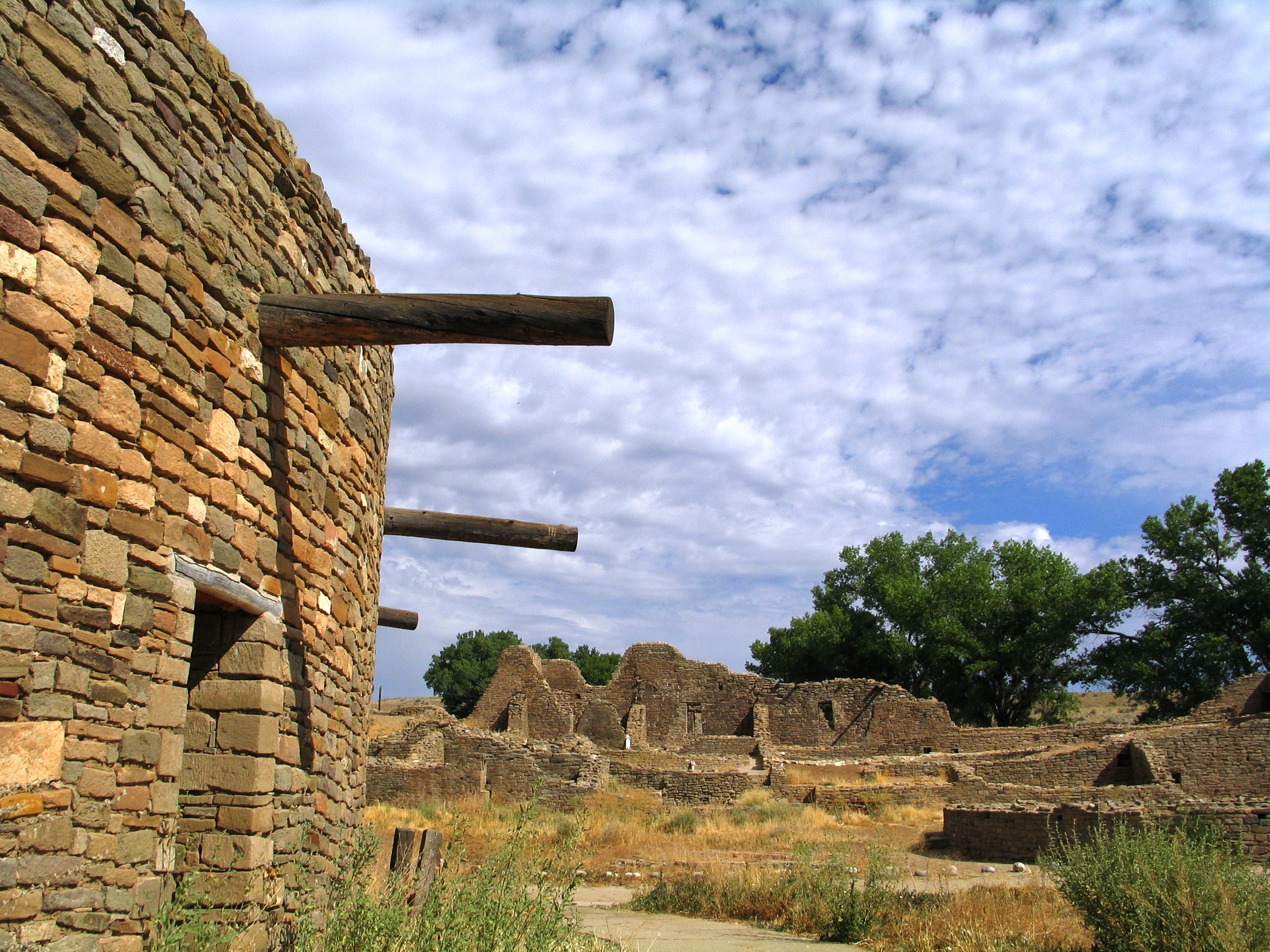
- Sandstone blocks shaped with harder stones
- Mortar of soil, water, and ash
- Wooden beams from pine and juniper
- Plaster made from clay
- T-shaped doorways for defense
Where to Stay
In the Park
Far View Lodge
- Only park lodging
- 150 rooms with Southwest decor
- Open mid-April to late October
- Kiva rooms with original artwork
- Book well in advance
Nearby Accommodations
Cortez
- Multiple chain hotels
- Budget to mid-range options
- 20-minute drive to park
Mancos
- Small inns and B&Bs
- Closer to park entrance
- Limited dining options
Durango
- Full range of accommodations
- Historic downtown hotels
- 45-minute drive to park
Dining Options
In the Park
- Metate Room: Fine dining at Far View Lodge
- Far View Terrace: Casual dining, cafeteria style
- Spruce Tree Terrace: Near museum (seasonal)
- Knife Edge Cafe: Morefield Campground
Nearby
- Pack lunches - limited park options
- Cortez has most restaurant variety
- Mancos offers local cafes
- No food at archaeological sites
Cultural Sensitivity
Respectful Visitation
- These are sacred ancestral sites
- Stay on designated paths
- Do not touch walls or artifacts
- Photography allowed, but be respectful
- Do not enter kivas unless permitted
Modern Connections
- 26 tribes have ancestral ties
- Hopi, Zuni, and Rio Grande Pueblos
- Ongoing consultation with tribes
- Living culture, not "ruins"
Photography Tips
Best Light
- Morning: Cliff Palace and Balcony House
- Afternoon: Long House and Spruce Tree House
- Golden Hour: Mesa top sites
Equipment
- Wide angle for dwelling interiors
- Telephoto for distant alcoves
- Tripod for low light (where allowed)
- Polarizer for sky contrast
Iconic Shots
- Square Tower House from overlook
- Cliff Palace panorama
- Spruce Tree House in snow (winter)
- Milky Way over Far View Sites
Wildlife & Nature
Common Wildlife
- Turkey: Wild flocks common
- Mule Deer: Mesa tops at dawn/dusk
- Black Bears: Present but rarely seen
- Mountain Lions: In remote areas
- Golden Eagles: Soaring over canyons
Flora
- Piñon Pine: Provided food and wood
- Utah Juniper: Building material
- Gambel Oak: Acorns were food source
- Wildflowers: Peak in July
Planning Your Visit
One Day Itinerary
- Morning: Cliff Palace tour
- Midday: Museum and Spruce Tree House overlook
- Afternoon: Mesa Top Loop Road
- Optional: Balcony House if time allows
Two Day Itinerary
Day 1: Chapin Mesa sites Day 2: Wetherill Mesa and Long House tour
Three+ Days
- Add Petroglyph Point hike
- Explore Mancos Valley overlooks
- Multiple ranger programs
- Photography at different times
Essential Tips
Booking Success
- Set calendar reminders for 14 days out
- Have Recreation.gov account ready
- Book less popular afternoon tours
- Consider shoulder seasons
Time Management
- Park entrance to sites: 1 hour
- Arrive 30 minutes before tours
- Factor in parking search time
- Don't overbook - distances are far
What to Bring
- Water (none at sites)
- Snacks/lunch
- Sun protection
- Comfortable walking shoes
- Layers for temperature changes
Common Mistakes
- Underestimating driving times
- Not booking tours in advance
- Wearing sandals on tours
- Forgetting water
- Rushing between sites
Mesa Verde offers an extraordinary journey into America's ancient past, where architectural marvels blend seamlessly with natural alcoves. Whether climbing ladders into Balcony House, gazing at Cliff Palace, or quietly contemplating the lives of those who came before, visitors experience a profound connection to human ingenuity and adaptation. Plan ahead, book early, and prepare to be amazed by this timeless cultural landscape where ancient history lives on in stone.
Real satellite imagery on NASA elevation — orbit the peaks at true scale.
Explore in 3D →What the park will quietly do to you.
Heat & Sun
SummerSummer highs can hit 100°F+ in many western parks. Carry 2 L of water per person minimum and avoid strenuous activity 10am–4pm.
Wildlife
Year-roundKeep 100 yards from bears and wolves, 25 from everything else. Never feed wildlife — it changes their behavior and ends with the animal euthanized.
Weather windows
SummerHigh-country thunderstorms build fast in summer afternoons. Plan to be off exposed ridges by noon, especially July–September.
Permits & timed entry
Plan aheadSeveral parks require timed-entry reservations or wilderness permits. Reserve weeks ahead via recreation.gov — same-day windows are limited.
Hero photo: NPS Photo