Sequoia & Kings Canyon National Parks
Sequoia and Kings Canyon National Parks protect the world's largest trees, the highest peak in the contiguous United States, and one of America's deepest canyons in a combined wilderness spanning over 865,000 acres of the southern Sierra Nevada. Administered jointly since 1943, these sister parks showcase nature's extremes: from sun-baked foothills at 1,300 feet to the alpine summit of Mount Whitney at 14,505 feet. This extraordinary elevation gradient creates distinct life zones supporting everything from chaparral and oak woodlands to giant sequoia groves and stark granite peaks, with 84% of the combined area preserved as roadless wilderness.
The parks are fundamentally defined by their namesake giant sequoias (Sequoiadendron giganteum), the most massive single organisms on Earth. These ancient titans grow only in scattered groves on the western slopes of the Sierra Nevada between 5,000 and 7,000 feet elevation. The Giant Forest in Sequoia contains an unparalleled concentration of massive trees, including the General Sherman Tree—the world's largest living thing by volume at 52,508 cubic feet. Meanwhile, Kings Canyon's Grant Grove protects the General Grant Tree, known as the "Nation's Christmas Tree." Beyond these famous groves, the parks encompass dramatic granite gorges, pristine alpine lakes, and vast wilderness that provides critical habitat for black bears, mountain lions, and over 200 bird species.
Key Highlights
- General Sherman Tree: World's largest tree by volume
- Giant Forest: 3 square miles containing 5 of world's 10 largest trees
- Mount Whitney: Highest peak in lower 48 states (14,505 feet)
- Kings Canyon: One of America's deepest gorges
- Moro Rock: Granite dome with 360-degree views
- Crystal Cave: Marble cavern with intricate formations
- Congress Trail: Peaceful walk among giant sequoias
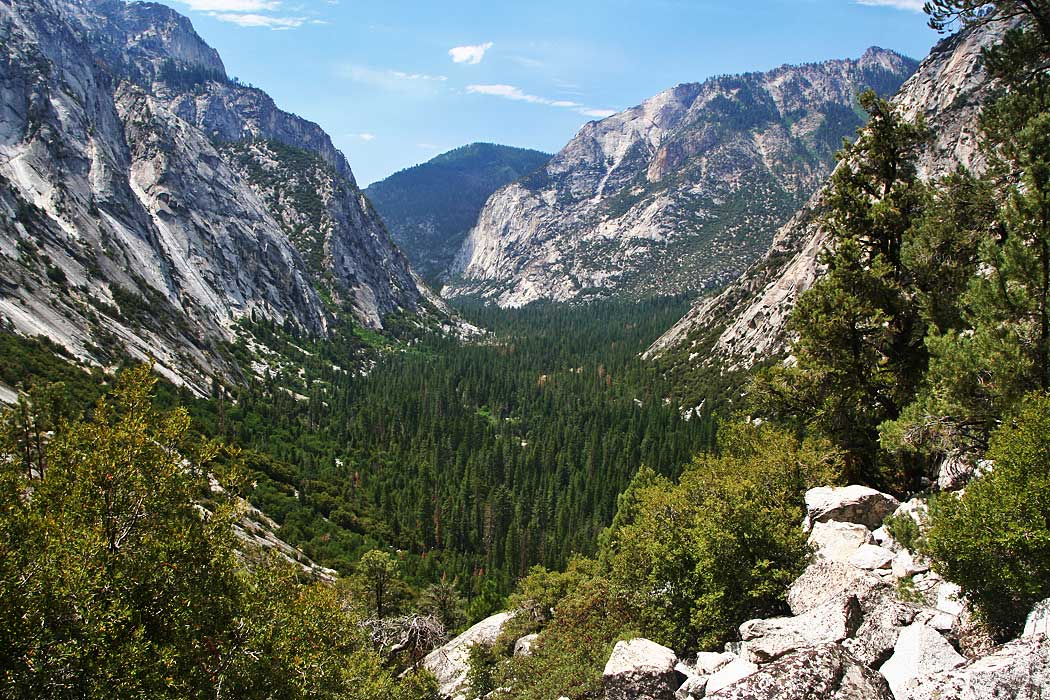
- Cedar Grove: Dramatic granite canyon scenery
Getting There
The parks have separate entrances with no direct road connection between major areas.
From Fresno (Closest Major Airport)
To Kings Canyon (Big Stump Entrance)
- Take Highway 180 East
- 60 miles, 1.5 hours
- Gateway town: Grant Grove
- Continues to Cedar Grove (summer only)
To Sequoia (Ash Mountain Entrance)
- Take Highway 180 East to Highway 198
- 75 miles, 2 hours
- Gateway town: Three Rivers
- Most direct to Giant Forest
From Los Angeles
Via Highway 99 North
- Take Highway 99 to Visalia
- Highway 198 East to Sequoia
- 220 miles, 4 hours
- Steep, winding final approach
From San Francisco
Via Highway 99 South
- Highway 99 to Fresno
- Highway 180 East to Kings Canyon
- 260 miles, 4.5 hours
Entrance Stations
Year-Round Access
- Ash Mountain (Sequoia): Highway 198
- Big Stump (Kings Canyon): Highway 180
Seasonal Access
- Mineral King (Sequoia): May-October
- Cedar Grove (Kings Canyon): May-November
Vehicle Restrictions
Length Limits
- Vehicles over 22 feet discouraged on Generals Highway
- No RVs/trailers on many park roads
- Alternative routes available for large vehicles
Best Time to Visit
The parks' extreme elevation range creates dramatically different conditions by zone and season.
Summer: June-August
Peak Season Benefits
- All roads typically open
- Full services available
- Warmest weather for hiking
- Wildflower displays
- Best backcountry access
Challenges
- Extreme crowds
- Parking difficulties
- Hot foothills (90°F+)
- Afternoon thunderstorms
Spring: March-May
Transition Season
- Waterfalls at peak flow
- Fewer visitors
- Wildflowers in foothills
- Snow lingers at elevation
- Some roads still closed
Fall: September-November
Ideal Conditions
- Pleasant temperatures
- Reduced crowds
- Fall colors in places
- Clear skies common
- Fire season risk
Winter: December-February
Snow Season
- Chains required
- Many roads closed
- Cross-country skiing
- Snowshoeing popular
- Profound solitude
Elevation Considerations
Foothills (1,300-4,000 feet)
- Hot summers, mild winters
- Best in spring/fall
Giant Sequoia Belt (5,000-7,000 feet)
- Pleasant summers, snowy winters
- Peak season June-September
High Country (Above 9,000 feet)
- Short summer season
- Snow possible year-round
- July-September optimal
Activities and Adventures
The parks offer experiences from easy walks among giants to challenging mountain ascents.
Giant Sequoia Experiences
General Sherman Tree Area
- 1.2-mile paved trail
- 200-foot elevation change
- Accessible parking available
- Shuttle service in summer
- Early morning least crowded
Congress Trail
- 3.0-mile paved loop
- Starts at Sherman Tree
- Less crowded experience
- House and Senate groups
- President Tree
Giant Forest Museum
- Sequoia ecology exhibits
- Trail information
- Big Trees Trail (1.3 miles)
- Wheelchair accessible loop
General Grant Tree Trail
- 1/3-mile paved loop
- Fallen Monarch walk-through
- Centennial Stump
- North America's second-largest tree
Scenic Viewpoints
Moro Rock
- 350-step granite stairway
- 360-degree panoramic views
- Great Western Divide vistas
- Closed in winter
- Acrophobia warning
Tunnel Log
- Drive-through fallen sequoia
- 8 feet high, 17 feet wide
- Bypass for tall vehicles
- Popular photo opportunity
Kings Canyon Scenic Byway
- 50-mile mountain drive
- Descends into canyon
- Junction View overlook
- Grizzly Falls
- Summer only past Grant Grove
Cave Tours
Crystal Cave
- 50-minute guided tours
- Advance tickets required online
- Constant 50°F temperature
- 0.5-mile walk to entrance
- May-September only
Hiking Trails
Easy Hikes
- Crescent Meadow Loop: 1.6 miles, meadow and trees
- Roaring River Falls: 0.4 miles, accessible waterfall
- Zumwalt Meadows: 1.5 miles, Kings River views
Moderate Hikes
- Tokopah Falls: 4.0 miles, 1,200-foot waterfall
- Mist Falls: 8.2 miles, powerful cascade
- Little Baldy: 3.4 miles, panoramic summit
Strenuous Hikes
- Alta Peak: 14.9 miles, 4,000-foot gain
- Lakes Trail: 12.3 miles to Pear Lake
- Mount Whitney: 22 miles, permit required
Backcountry Adventures
Wilderness Permits
- Required for overnight trips
- Quota system May-September
- Reserve at Recreation.gov
- Walk-up permits available
- Bear canisters mandatory
Popular Routes
- Rae Lakes Loop: 46 miles
- High Sierra Trail: 72 miles
- Mineral King loops
- Evolution Valley access
Wildlife and Natural Features
The parks protect complete ecosystems from foothills to alpine peaks.
Large Mammals
Black Bears
- 200-500 in parks
- Active spring through fall
- Proper food storage critical
- Bear boxes at all sites
- Never feed or approach
Mountain Lions
- Present but rarely seen
- Most active dawn/dusk
- Make noise while hiking
- Never run if encountered
Other Mammals
- Mule deer
- Bighorn sheep (rare)
- Coyotes
- Bobcats
- Yellow-bellied marmots
Birds
Common Species
- Steller's jays
- Mountain chickadees
- White-headed woodpeckers
- American dippers
- Clark's nutcrackers
Raptors
- Golden eagles
- Peregrine falcons
- Great horned owls
- Red-tailed hawks
Unique Geology
Granite Features
- Sierra Nevada batholith
- Glacially carved valleys
- Exfoliation domes
- U-shaped canyons
Cave Systems
- 240+ known caves
- Formed in marble
- Active formations
- Rare shield formations
Lodging and Camping
Limited in-park options make advance reservations essential.
In-Park Lodging
Wuksachi Lodge (Sequoia)
- 102 rooms
- Year-round operation
- Restaurant and lounge
- Giant Forest area
- $200-400/night
Grant Grove Cabins (Kings Canyon)
- Rustic cabins
- Some heated, some not
- Shared bathhouses for some
- $80-150/night
Cedar Grove Lodge (Kings Canyon)
- 21 rooms
- Summer only
- Snack bar
- Canyon location
- $150-200/night
Campgrounds
Developed Campgrounds
- Lodgepole: 214 sites, most popular
- Dorst Creek: 202 sites, summer only
- Potwisha: 42 sites, year-round
- Grant Grove: Multiple areas
Reservations
- Required for most sites
- Book at Recreation.gov
- 6 months in advance
- Some first-come sites
Campground Amenities
- Bear boxes mandatory
- Flush toilets at most
- No hookups
- Dump stations available
Gateway Communities
Three Rivers
- Closest to Sequoia
- Hotels and motels
- Restaurants
- Last services
- 6 miles to entrance
Visalia
- 45 minutes from Sequoia
- Full services
- Chain hotels
- Airport shuttle
Essential Information
Park Fees
- Vehicle Pass: $35 (7 days both parks)
- Annual Pass: $70
- America the Beautiful: $80
- Credit cards only (no cash)
Safety Warnings
Bear Safety
- Store all food properly
- Use bear boxes only
- Never feed wildlife
- Bear spray prohibited
- Clean up immediately
Altitude Considerations
- Drink extra water
- Pace yourself
- Altitude sickness possible
- Descend if symptoms occur
Road Hazards
- Narrow, winding roads
- No guardrails in places
- Ice/snow in winter
- Rockfall zones
- Drive slowly
Summer Heat
- Foothills exceed 100°F
- Carry extra water
- Start hikes early
- Seek shade midday
What to Bring
Essential Gear
- Layers for temperature changes
- Sun protection
- Sturdy footwear
- First aid kit
- Map and compass
- Extra food and water
Seasonal Items
- Winter: Chains, warm clothes
- Summer: Cooling towels, electrolytes
- Spring: Rain gear
- Fall: Warm layers
Services and Facilities
Visitor Centers
- Foothills (Sequoia)
- Lodgepole (Sequoia)
- Grant Grove (Kings Canyon)
- Cedar Grove (Kings Canyon)
Limited Services
- Gas at few locations
- Basic groceries
- No cell service in most areas
- ATMs at major areas only
Special Regulations
Wilderness Rules
- Permits required overnight
- Camp 100 feet from water
- No fires above 10,000 feet
- Pack out all waste
Wildlife Protection
- Do not approach animals
- 50-yard minimum distance
- Report aggressive behavior
- Never feed any wildlife
Sequoia and Kings Canyon National Parks offer an unparalleled journey through vertical worlds, from scorching foothills to icy peaks, united by groves of the Earth's largest living things. Whether standing beneath the General Sherman Tree, climbing Moro Rock's granite stairs, or backpacking through pristine wilderness, visitors experience nature at its most monumental scale. Come prepared for mountain driving, respect the power of elevation, store food properly to protect bears, and discover why John Muir called these mountains the "Range of Light."
Real satellite imagery on NASA elevation — orbit the peaks at true scale.
Explore in 3D →What the park will quietly do to you.
Heat & Sun
SummerSummer highs can hit 100°F+ in many western parks. Carry 2 L of water per person minimum and avoid strenuous activity 10am–4pm.
Wildlife
Year-roundKeep 100 yards from bears and wolves, 25 from everything else. Never feed wildlife — it changes their behavior and ends with the animal euthanized.
Weather windows
SummerHigh-country thunderstorms build fast in summer afternoons. Plan to be off exposed ridges by noon, especially July–September.
Permits & timed entry
Plan aheadSeveral parks require timed-entry reservations or wilderness permits. Reserve weeks ahead via recreation.gov — same-day windows are limited.
Hero photo: NPS/Rick Cain