Yellowstone National Park: Walking on a Supervolcano's Thin Crust
Sitting atop an active supervolcano that erupts every 600,000 years, Yellowstone National Park transforms 2.2 million acres into North America's most deceptive death trap where visitors die yearly from thermal burns, wildlife attacks, and hypothermia. With over 10,000 hydrothermal features reaching 400°F, 1,000+ grizzly bears, and temperatures plummeting to -40°F, this Wyoming wilderness annually hosts 4.5 million visitors who unknowingly walk mere inches above boiling acidic pools. The park's 3,472 square miles contain more ways to die than any other national park—from dissolving in hot springs to freezing in summer blizzards to being gored by 2,000-pound bison that kill more people than bears.
Essential Information at a Glance
- Size: 2,219,791 acres across Wyoming, Montana, and Idaho
- Established: March 1, 1872 (world's first national park)
- Annual Visitors: 4,501,382 (2023) - #8 most visited national park
- Elevation Range: 5,282 feet (North Entrance) to 11,358 feet (Eagle Peak)
- Entry Fee: $35 per vehicle (7 days), $20 per person, $30 motorcycle
- Annual Pass: $70 (includes Grand Teton)
- Key Dangers: Thermal burns, grizzly/bison attacks, hypothermia year-round
Survival Essentials: Supervolcano Preparedness
The Thermal Death Equation: One Step Off Trail = Fatal Burns
Yellowstone's thermal features have killed 22 people since 1890, with victims literally dissolving in acidic pools reaching 212-400°F. The ground crust can be paper-thin, and breakthrough means instant death.
Recommended gear: thermal safety gear
- Hiking Backpacksvia REI
- Trail Shoesvia Merrell
- Book Lodgingvia Booking.com
- Car Rentalsvia Rentalcars.com
We may earn a commission from purchases made through links on this page. See our disclosure.
Yellowstone Survival Arsenal
Thermal Zone Protection
- Infrared thermometer to test ground temperature
- Heavy-duty hiking boots (thin crust protection)
- First aid kit with burn gel packets
- Emergency whistle (plastic, won't conduct heat)
- GPS with downloadable offline maps
Bear Country Defense
- TWO cans of bear spray (practice deployment crucial)
- Bear-proof food containers (mandatory in backcountry)
- Noise makers (bear bells are useless—use voice/clapping)
- Headlamp with red filter (night bathroom trips)
- Scent-free toiletries in hard containers
Weather Survival Gear
- 4-season clothing system (snow possible every month)
- Emergency bivy sack (hypothermia kills in summer)
- Waterproof matches and fire starter
- Space blankets (multiple)
- Water purification system (giardia prevalent)
Park Zones: Geography of Death
Upper Geyser Basin: Tourist Death Central
Home to Old Faithful and 150+ geysers in one square mile. Highest concentration of scalding deaths. Thin crust areas marked by white mineral deposits. Steam obscures vision, creating fall hazards.
Norris Geyser Basin: Hottest & Most Acidic
Temperatures reach 459°F (world's hottest recorded geyser). pH levels rival battery acid. Boardwalks essential—ground literally cooking beneath feet. Toxic hydrogen sulfide gas concentrations.
Hayden Valley: Grizzly & Bison Battleground
Prime wildlife habitat with minimal escape routes. Open terrain offers no trees for protection. Morning fog creates surprise encounters. Highest density of predator-prey interactions.
Yellowstone Lake: Hypothermic Death Trap
Largest high-altitude lake in North America. Water temperature never exceeds 60°F, averaging 41°F. Survival time in water: 15-30 minutes. Sudden storms create 6-foot waves.
Backcountry: 95% Untamed Wilderness
Over 1,000 miles of trails through grizzly territory. No cell service, rescue hours/days away. Stream crossings become torrents in minutes. Navigation critical—many areas look identical.
Thermal Features: Nature's Torture Chambers
Death Statistics & Science
- Water Temperature: 140-205°F typical, up to 459°F recorded
- pH Levels: 1-3 (battery acid strength) in many features
- Breakthrough Risk: Crust thickness 0.5-6 inches over boiling water
- Dissolution Time: Bodies completely dissolve in 24 hours
- Ground Temperature: Can exceed 200°F near features
Fatal Attraction Zones
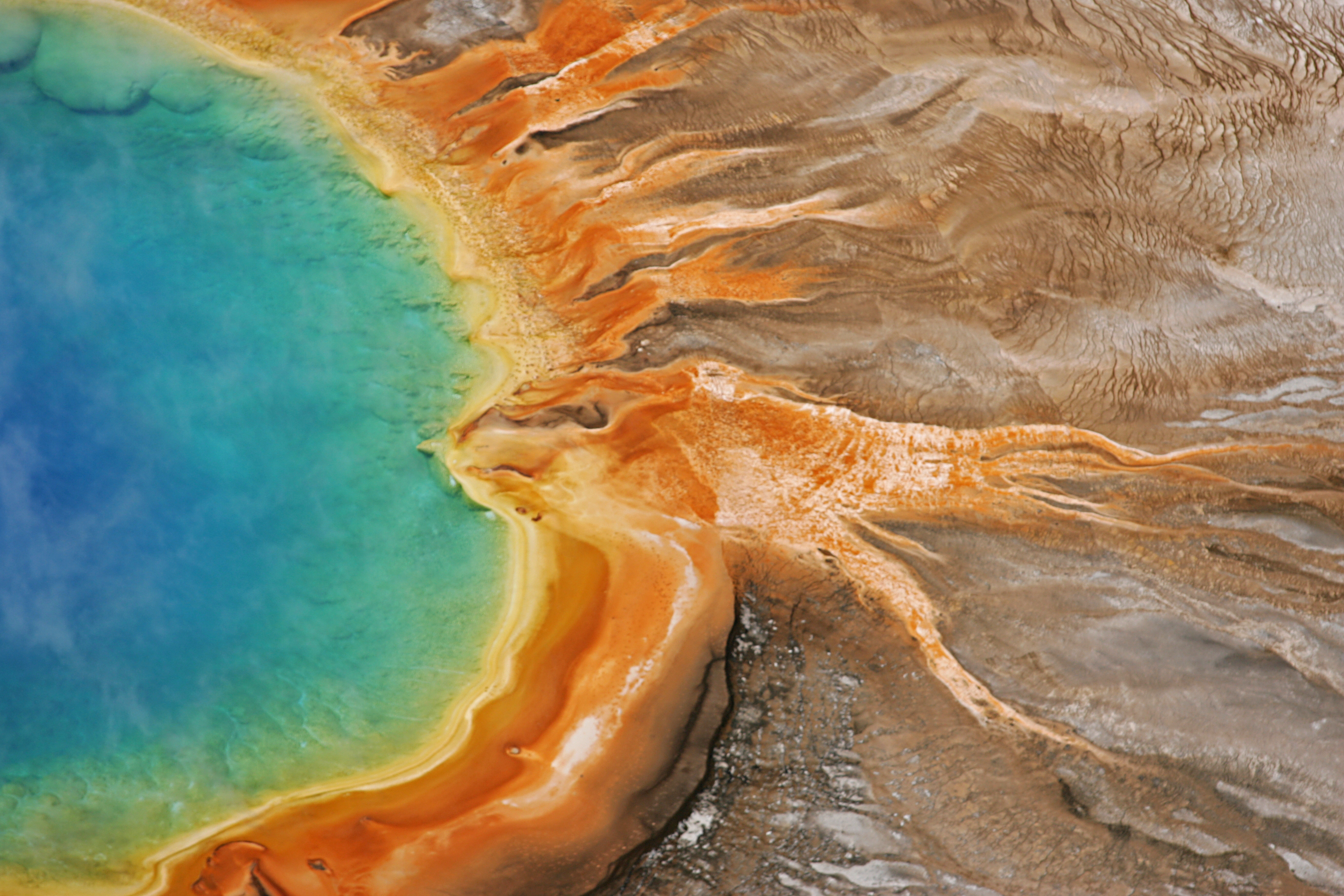
Grand Prismatic Spring
- 370 feet diameter, 160 feet deep
- 160°F at edges, 188°F at center
- Microorganism mats look solid but are liquid
- Multiple fatalities from photography attempts
Morning Glory Pool
- Temperature increased due to vandalism (coins/trash)
- Now 159°F, previously cooler
- Color change indicates deadly temperature rise
Crested Pool
- Erupts unpredictably to 10 feet
- 201°F water sprays without warning
- Several severe burn incidents annually
Survival Protocol
- NEVER leave boardwalks - $5,000 fine minimum
- Keep children within arm's reach always
- No retrieving dropped items - let rangers handle
- Avoid steam clouds - obscure dangerous edges
- Morning visits safer - less crowded, better visibility
Wildlife: 2,000-Pound Killing Machines
Bison: Yellowstone's #1 Human Killer
Population: 5,000+ free-roaming Speed: 35 mph (3x faster than you) Injury Rate: 2-3 gorings annually Warning Signs:
- Tail raised = charge imminent
- Head shaking = aggression
- Pawing ground = attack mode
- Bellowing = extreme danger
Survival Rules:
- 25 yards minimum (75 feet)
- Never between bison and calves
- Use vehicles as shields
- Back away slowly if approached
- NEVER turn your back
Grizzly Bears: 600 Pounds of Death
Population: 150-200 in park, 700+ in ecosystem Territory: Entire park is grizzly country Fatal Attacks: 8 since 1872 Hot Zones: Hayden Valley, Lamar Valley, Mount Washburn
Encounter Protocol:
- Make noise constantly while hiking
- If seen at distance, detour immediately
- If surprised, DON'T RUN
- Deploy bear spray at 30 feet
- If attacked, play dead (grizzly) or fight back (black bear)
Wolves: Pack Hunters Returned
Population: 95-100 in 8-10 packs Territory: Primarily northern range Danger Level: Low but increasing habituation Viewing Distance: 100 yards minimum
Elk: Aggressive During Rut
Population: 10,000-20,000 Rut Season: September-October Speed: 45 mph Danger: Bulls weigh 700+ pounds, extremely aggressive
Seasonal Survival Guide
Summer (June-August): Peak Death Season
Temperature: 30-80°F (extreme daily swings) Risks:
- Afternoon thunderstorms with deadly lightning
- Highest thermal injury rates
- Maximum wildlife encounters
- Dehydration at altitude
Survival Tactics:
- Start all activities before 6 AM
- Off trails by 2 PM (storm window)
- Carry minimum 1 gallon water per person
- Lightning position knowledge mandatory
Fall (September-November): Predator Season
Temperature: 0-60°F Risks:
- Elk rut aggression peaks
- Bears hyperphagic (feeding frenzy)
- Sudden blizzards trap visitors
- Hypothermia from rain/snow mix
Critical Prep:
- Full winter gear required
- Extra food (bear feeding intensifies)
- Emergency shelter capabilities
- Ice cleats for trails
Winter (December-March): Arctic Death Zone
Temperature: -40 to 30°F Access: 90% of roads closed Risks:
- Avalanche zones throughout
- Whiteout navigation impossible
- Frostbite in minutes
- Thermal shock (hot springs to arctic air)
Required Equipment:
- Avalanche beacon and probe
- -40°F rated sleeping system
- Emergency communication device
- 4-season mountaineering tent
- Multi-day food supply
Spring (April-May): Deceptive Killer
Temperature: 0-60°F Risks:
- Flooding from snowmelt
- Bears emerging hungry
- Unstable snow bridges
- Extreme mud/road washouts
Emergency Protocols & Rescue Reality
Communication Black Holes
- Cell Coverage: under 5% of park area
- Dead Zones: All backcountry, most valleys
- Text Sometimes Works: When calls fail
- Satellite Devices: Essential for backcountry
Rescue Response Times
- Frontcountry: 30 minutes - 2 hours
- Backcountry: 6 hours - 3 days
- Winter: Weather dependent, often impossible
- Helicopter: $25,000-50,000 typical cost
Emergency Contacts
- Park Dispatch: 911 or (307) 344-7381
- Backcountry Office: (307) 344-2160
- Medical Clinics: Lake (summer), Mammoth (year-round)
- Nearest Trauma Center: Idaho Falls (2+ hours)
Geothermal Survival Rules
The No-Touch Zones
- ALL thermal water - Even "cool" looking pools exceed 140°F
- Colored bacterial mats - Slippery, acidic, fragile
- White mineral crusts - Indicates thin ground
- Wet ground near features - May be boiling beneath
- Rock formations - Can conduct extreme heat
Legal Swimming Areas (Only 2)
- Firehole River Swimming Hole: Tested safe zone only
- Boiling River: Where hot springs meet Gardner River
- NOWHERE ELSE is legal or safe
Navigation & Technology
GPS Essentials
- Download offline maps before entry
- Carry backup battery packs
- Mark vehicle location always
- Save trail junctions as waypoints
- Weather radar apps crucial
Traditional Backup
- Waterproof paper maps
- Compass and knowledge
- Trail junction photos
- Whistle for sound signals
- Mirror for visual signals
Cost Reality Check
Entrance & Passes
- 7-Day Vehicle: $35
- Annual Park Pass: $70 (includes Grand Teton)
- America the Beautiful: $80 (all federal sites)
- Senior Lifetime: $80 (62+ years)
Lodging Inside Park
- Camping: $15-32/night
- Rustic Cabins: $100-150/night
- Standard Rooms: $150-350/night
- Premium Lodges: $300-600/night
- Booking: Opens May 1 for following year
Gateway Towns
- West Yellowstone: $100-400/night
- Gardiner: $80-300/night
- Cooke City: $100-250/night
- Cody: $75-350/night
Food & Supplies
- Restaurant Meals: $15-40/person
- Cafeteria: $10-20/person
- Groceries: 30-50% markup
- Gas: $0.50-1.00 above regional average
- Bear Spray: $45-50 purchase, $10/day rental
Accommodation Survival Strategy
Camping: Budget But Risky
12 Campgrounds (5 reservable, 7 first-come)
- Arrive before 8 AM for first-come sites
- Bear boxes mandatory use
- No tent camping in extreme weather
- Generator hours restricted
- Group sites available
In-Park Lodging
9 Lodges across park zones
- Book 6-12 months ahead
- No refunds for wildlife/weather
- Shared bathroom options cheaper
- Employee dorms sometimes available
- Winter access extremely limited
Backcountry Permits
- Cost: $3/person/night
- Reservation: $25 (opens January 1)
- Sites: 300+ designated only
- Bear Canisters: Mandatory
- Rescue Insurance: Highly recommended
10 Commandments of Yellowstone Survival
- Thermal Features = Instant Death - No exceptions, no recovery
- Wildlife Distance = Your Life - 25/100 yard rules are minimums
- Weather Changes = Killer - Dress for -40°F to 90°F daily
- Bear Spray = Mandatory - Two cans, know deployment
- Boardwalks = Life - One step off can be fatal
- Afternoon = Storm Time - Off exposed areas by noon
- Bison = Most Dangerous - More injuries than all predators
- Winter = Expert Only - Death comes quickly
- Cell Service = Nonexistent - Plan accordingly
- Rescue = Hours/Days Away - Self-sufficiency critical
Final Warning
Yellowstone's beauty masks a primordial killing ground where the Earth's crust barely contains catastrophic forces. Every bubbling pool can dissolve flesh, every fuzzy bison can gore you to death, and every weather change can bring fatal hypothermia. This supervolcano doesn't care about your Instagram shot or bucket list—it will kill you for a single misstep. The park's geothermal features alone have claimed more lives than all of Wyoming's other natural hazards combined. Come prepared with proper gear, respectful fear, and the wisdom to retreat when nature shows its teeth. In Yellowstone, the difference between an amazing vacation and appearing in next year's fatality statistics is often just one poorly judged step. Respect the volcano, or become part of it.
Real satellite imagery on NASA elevation — orbit the peaks at true scale.
Explore in 3D →Trails worth your morning.
Distance and difficulty for the well-known routes — verify current conditions at the visitor center on arrival.
What the park will quietly do to you.
Heat & Sun
SummerSummer highs can hit 100°F+ in many western parks. Carry 2 L of water per person minimum and avoid strenuous activity 10am–4pm.
Wildlife
Year-roundKeep 100 yards from bears and wolves, 25 from everything else. Never feed wildlife — it changes their behavior and ends with the animal euthanized.
Weather windows
SummerHigh-country thunderstorms build fast in summer afternoons. Plan to be off exposed ridges by noon, especially July–September.
Permits & timed entry
Plan aheadSeveral parks require timed-entry reservations or wilderness permits. Reserve weeks ahead via recreation.gov — same-day windows are limited.
Hero photo: NPS/Jim Peaco